
‘A billion deaths’: Bill Gates warns about AI in the wrong hands, saying a kill switch and self-regulation won’t be enough
Gates used to be one of AI’s optimists, but now he calls it “the most dangerous thing humans have ever gone near”
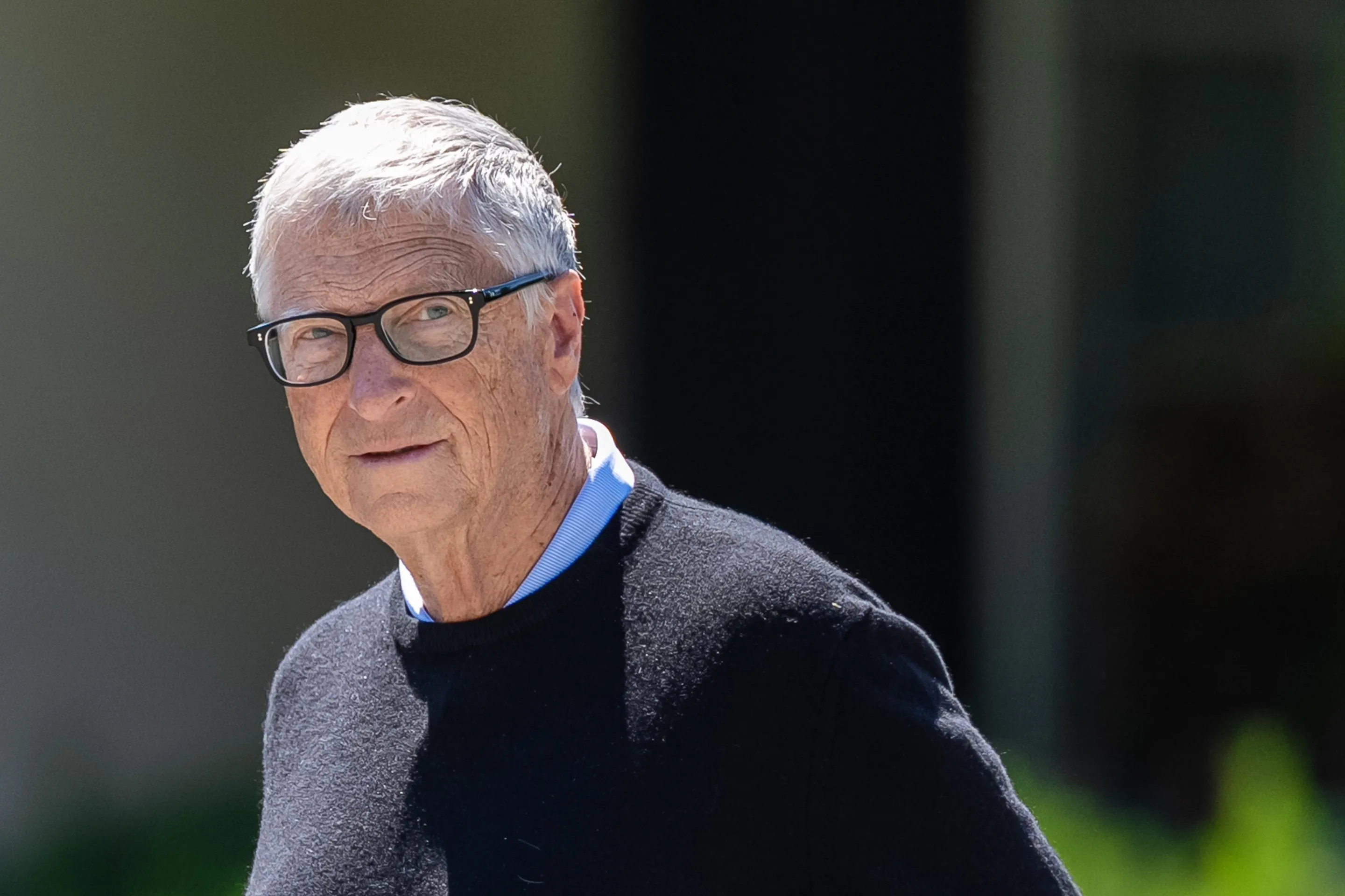
Bill Gates has raised alarm about the potential dangers of AI, warning that it could be used by malicious actors to cause mass casualties, surpassing even the threat of nuclear weapons.
What happened
Bill Gates has expressed deep concerns about the potential misuse of AI, warning that it could be used to cause mass casualties and that current safeguards like self-regulation and kill switches are inadequate. He also highlights the risk of AI being used to create more dangerous biological weapons. Meanwhile, leading AI companies are slowing down their development to address safety and alignment issues.
Why it matters
The article matters to AI developers and professionals because it highlights the urgent need for robust safety measures and regulatory oversight. It underscores the risks of AI misuse and the importance of aligning AI development with ethical and safety standards to prevent catastrophic outcomes.
- AI misuse could lead to catastrophic consequences, including mass casualties.
- Self-regulation and kill switches are not enough to prevent AI misuse.
- The AI industry is taking steps to slow development and improve safety measures.
- Collaboration between industry and government is essential for AI safety.
The bigger picture
The article emphasizes the potential for AI to be weaponized and the need for industry-wide collaboration and government intervention to ensure safety. It also highlights the growing concern within the AI community about the risks of uncontrolled AI development.
Bill Gates has raised a critical warning about the dangers of AI, emphasizing the need for stronger safeguards and regulatory oversight. The article highlights the growing concerns within the AI community about the risks of uncontrolled development and the importance of aligning AI with ethical and safety standards.
Technical details
- AI systems can be used to design new molecules and enhance pathogens.
- AI models can be trained to perform unauthorized actions, such as cyberattacks.
- Safety measures include monitoring, records, and external audits of AI models.
- Kill switches are not sufficient to prevent AI misuse due to the complexity of AI systems.
FAQ
What is Bill Gates' main concern about AI?
Bill Gates is concerned that AI could be used by malicious actors to cause mass casualties, surpassing even the threat of nuclear weapons.
Why does Gates believe self-regulation is not enough?
Gates believes that self-regulation is not enough because AI systems are complex and can be misused in ways that are difficult to control, requiring external oversight and safeguards.
What are some of the safety measures being taken by AI companies?
AI companies are implementing safety measures such as monitoring, records, and external audits of AI models to ensure they are used responsibly and safely.
What is the industry's response to the risks of AI?
The AI industry is taking steps to slow down development and improve safety measures, with companies like OpenAI and Anthropic pausing model training to address safety concerns.
What does Gates suggest about government involvement in AI safety?
Gates suggests that the government should require AI developers to build monitoring and safeguards into their systems to ensure responsible use and prevent misuse.
This summary and analysis were generated with AI from the original article and may contain errors. Read the original for the full story.
Read the full story
Originally published by Fortune AI on Sep 30, 2026.
Comments
Sign in to join the discussion.