
A Book That Will Never Be Read
Article URL: https://forbetterscience.com/2026/09/22/a-book-that-will-never-be-read/ Comments URL: https://news.ycombinator.com/item?id=50072229 Points: 12 # Comments: 3
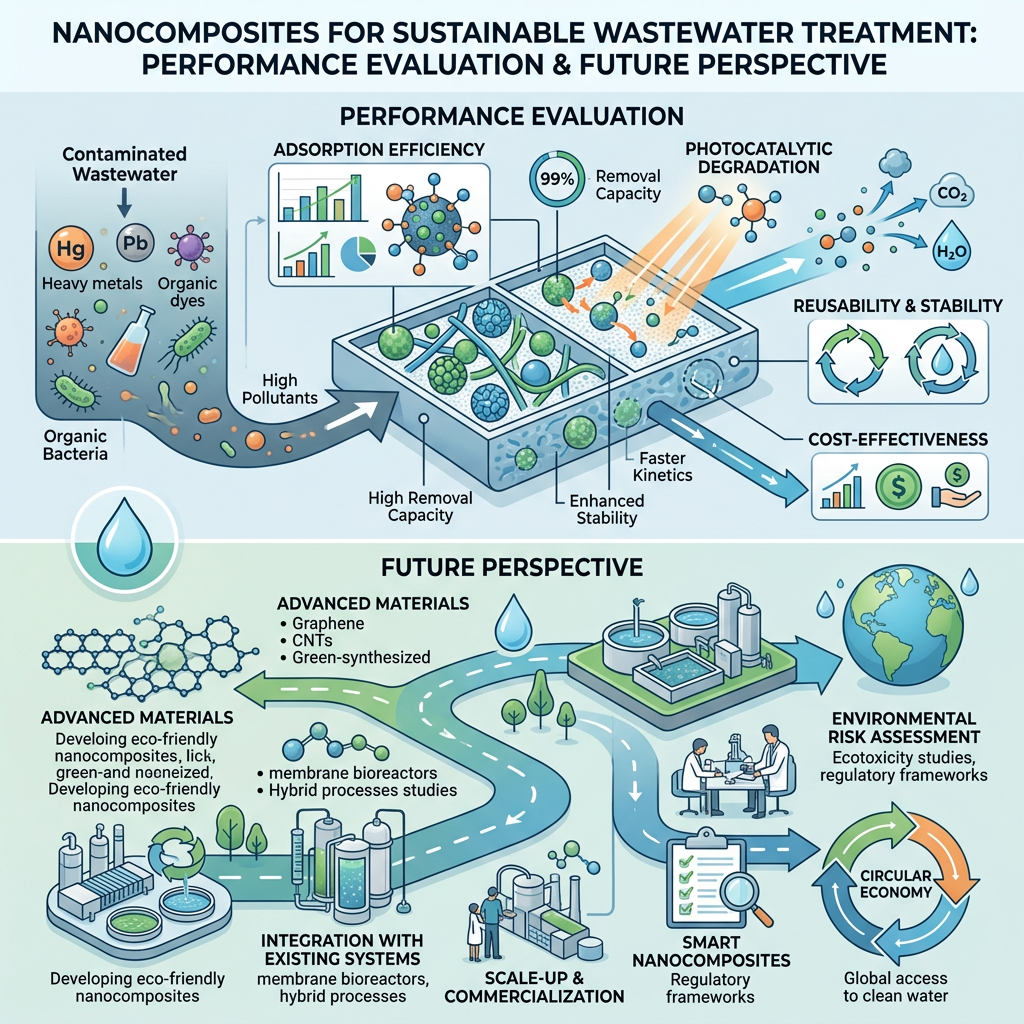
This article critiques the prevalence of AI-generated and plagiarized content in academic publishing, highlighting issues such as fabricated references, stolen figures, and poor editorial oversight in journals like Springer Nature and Elsevier.
What happened
Michał Wójcik, a former neuroscientist, critiques the prevalence of AI-generated and plagiarized content in academic publishing. He highlights cases of fabricated references, stolen figures, and misattributed content in journals like Springer Nature and Elsevier. The article discusses how these issues are often overlooked due to poor editorial oversight and the shift to digital publishing.
Why it matters
The article matters to AI developers and researchers because it highlights the risks of AI-generated content in academic publishing, which can mislead readers and undermine the credibility of scientific research. It also raises concerns about the integrity of peer review processes and the need for better editorial oversight.
- AI-generated content and plagiarism are significant issues in academic publishing.
- Major publishers like Springer Nature and Elsevier face criticism for inadequate editorial oversight.
- Digital and print-on-demand publishing models may contribute to the proliferation of low-quality content.
- Improved peer review and editorial practices are essential to maintain the integrity of scientific research.
- Researchers and publishers must be vigilant in detecting and preventing academic fraud.
The bigger picture
The article underscores the potential harm of AI-generated and plagiarized content in academic publishing, which can mislead researchers and distort the scientific record. It also highlights the need for improved editorial practices and better quality control in the publishing industry.
The article serves as a critical examination of the challenges facing academic publishing, particularly the prevalence of AI-generated and plagiarized content. It calls for greater accountability and improved editorial practices to ensure the integrity of scientific research.
Technical details
- AI-generated content in academic papers
- Plagiarized figures and misattributed references
- Digital and print-on-demand publishing models
- Peer review processes and editorial oversight
- DOI (Digital Object Identifier) issues
FAQ
What are the main issues highlighted in the article?
The article highlights issues such as AI-generated content, plagiarism, and poor editorial oversight in academic publishing, particularly in journals like Springer Nature and Elsevier.
What examples of academic fraud are discussed?
The article discusses examples of fabricated references, stolen figures, and misattributed content in academic papers, including cases where figures were plagiarized from other publications.
Why is the shift to digital publishing a concern?
The shift to digital and print-on-demand publishing models is a concern because it may reduce the scrutiny of content, allowing low-quality or fraudulent material to be published without adequate review.
What is the role of peer review in this context?
Peer review is supposed to ensure the quality and integrity of academic publications, but the article suggests that it is often inadequate, allowing fraudulent or low-quality content to be published.
What are the implications of these issues for researchers?
These issues can mislead researchers, distort the scientific record, and undermine the credibility of academic research, highlighting the need for improved editorial practices and greater accountability in publishing.
This summary and analysis were generated with AI from the original article and may contain errors. Read the original for the full story.
Read the full story
Originally published by Hacker News on Oct 13, 2026.
Comments
Sign in to join the discussion.