
AI can act exactly like a human, but we still don't think it's conscious
A new study reveals that people draw a surprisingly sharp line between human consciousness and artificial intelligence, even when both behave identically. Researchers found that participants considered even the most responsive AI less conscious than the least responsive human.
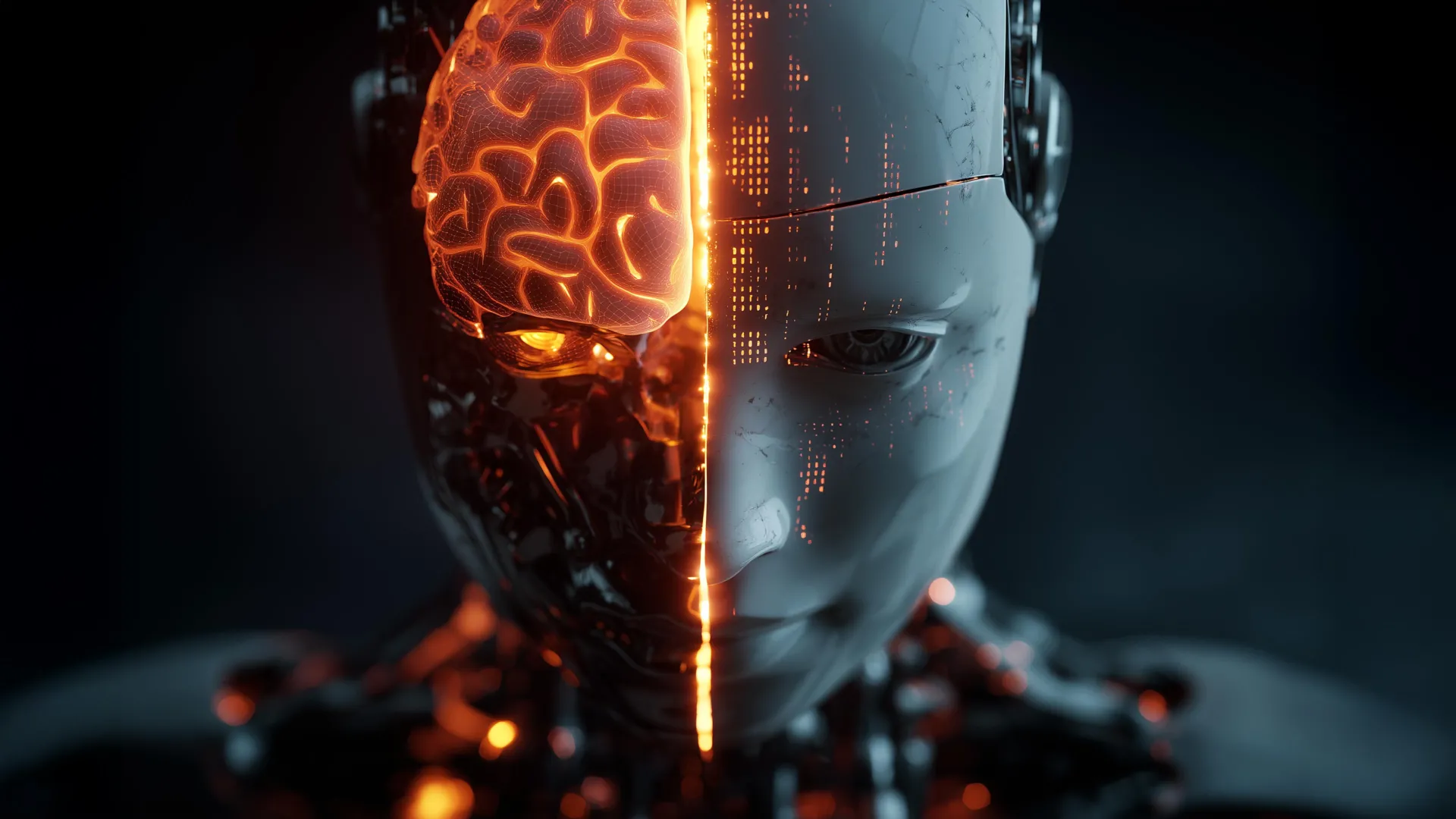
A study from Ludwig Maximilian University of Munich explores how people perceive consciousness in AI versus humans, revealing that identical behavior does not equate to perceived consciousness.
What happened
Researchers conducted experiments comparing how people attribute consciousness to AI and humans. Even when AI and humans exhibited identical behaviors, participants consistently rated AI as less conscious. The study highlights how terminology shapes perceptions of AI mental states.
Why it matters
Understanding public perception of AI consciousness is critical for developing ethical AI systems, shaping communication strategies, and informing policy decisions about AI integration in society.
- Consciousness judgments remain distinct from behavioral assessments for AI.
- Language choices (e.g., 'awareness' vs. 'consciousness') significantly influence AI perception.
- Public understanding of AI requires clearer conceptual frameworks for mental states.
The bigger picture
The findings suggest that AI developers and communicators must carefully choose terminology to avoid misperceptions about AI capabilities, which could affect trust and regulatory approaches.
The study demonstrates that while AI can mimic human behavior, fundamental differences in how people perceive consciousness between humans and machines persist, emphasizing the need for careful communication about AI capabilities.
Technical details
- Experiments involved 1,100 participants evaluating AI and human agents with varying responsiveness levels.
- Consciousness vs. awareness were treated as distinct concepts in the study's framework.
- The research used controlled scenarios to isolate behavioral responses from subjective judgments.
FAQ
Why do people distinguish between AI awareness and consciousness?
Consciousness implies subjective experience, while awareness refers to observable behavior. This distinction leads people to apply 'consciousness' only to humans despite similar behaviors.
How was the study conducted?
Researchers tested 1,100 participants with scenarios describing AI and human agents, asking them to rate levels of consciousness and awareness under controlled conditions.
What are the implications for AI development?
The findings suggest that public perception of AI consciousness could influence trust and regulation, requiring careful language choices in AI communication strategies.
This summary and analysis were generated with AI from the original article and may contain errors. Read the original for the full story.
Read the full story
Originally published by Science Daily - AI on Oct 14, 2026.
Comments
Sign in to join the discussion.