
As AI mass-produces historical dramas in China, where are the boundaries?
In 2026, AI is changing how historical dramas are produced in China. In the past, dramas featuring ancient battles, palace architecture and elaborate costumes often required large budgets and professional production teams.
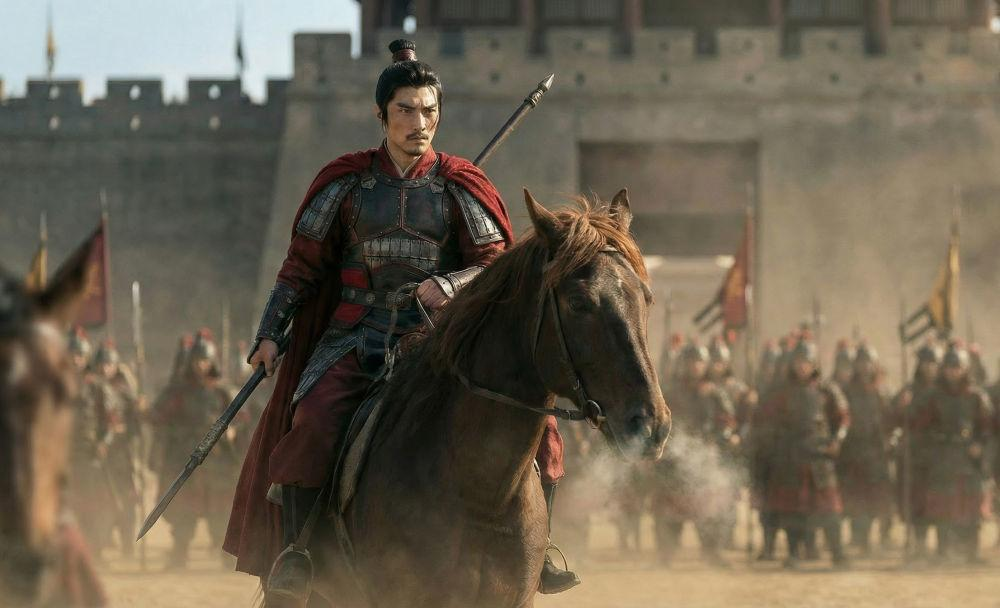
The article explores how AI is transforming the production of historical dramas in China, enabling smaller teams to create complex scenes while raising concerns about historical accuracy and content regulation.
What happened
The article reports on the rapid adoption of AI in Chinese historical drama production, highlighting market growth, technical advancements in virtual compositing, and emerging debates about historical accuracy and regulatory oversight.
Why it matters
For AI developers and content creators, this trend underscores the need to address ethical challenges in AI-generated media, while for historians and educators, it highlights risks of misinformation in historically inspired content.
- AI lowers production costs but does not guarantee historical accuracy.
- Regulatory frameworks must differentiate between fictional and fact-based AI content.
- Historical verification remains critical despite AI's technical capabilities.
- Audiences need clear disclosures about AI-generated content origins.
- The future of AI in historical storytelling depends on balancing creativity with accountability.
The bigger picture
The proliferation of AI-generated historical content may increase accessibility for creators but risks spreading historically inaccurate narratives if not properly verified or regulated.
AI is revolutionizing historical drama production in China, creating opportunities for creators while demanding careful management of accuracy, regulation, and ethical considerations in AI-generated content.
Technical details
- AI generation and virtual compositing tools for historical scene design
- DataEye's 2026 H1 AI Drama and Animation Market Report metrics
- Classification-based management framework for AI content (National Radio and Television Administration)
- AI-driven scene design for ancient architecture, costumes, and battle sequences
FAQ
How is AI changing historical drama production in China?
AI enables smaller teams to create complex historical scenes through generative tools, reducing costs and technical barriers.
What are the main concerns about AI-generated historical content?
The primary risks include historical distortion, where AI-generated details may be mistaken for factual accuracy, and challenges in distinguishing artistic interpretation from verified history.
How is the Chinese government regulating AI historical dramas?
Regulations like the 2026 Micro-Dramas Measures introduce classification frameworks, disclosure requirements, and review processes for AI-generated content.
What role do experts play in AI historical content creation?
Historians and experts are essential for verifying primary sources and ensuring accuracy, as AI alone cannot replace human verification of historical details.
Why is the balance between creativity and accuracy important?
While artistic freedom is necessary, AI's ability to generate large volumes of content risks spreading unverified historical claims, requiring careful oversight to maintain public trust.
This summary and analysis were generated with AI from the original article and may contain errors. Read the original for the full story.
Read the full story
Originally published by TechNode - China AI on Oct 10, 2026.
Comments
Sign in to join the discussion.