
Cerebras CEO says we’re nearing a future where everyone has a personal AI assistant at home
Cerebras CEO Andrew Feldman predicts a future where personal AI assistants become as commonplace as household appliances, running partly on local devices and partly in the cloud.
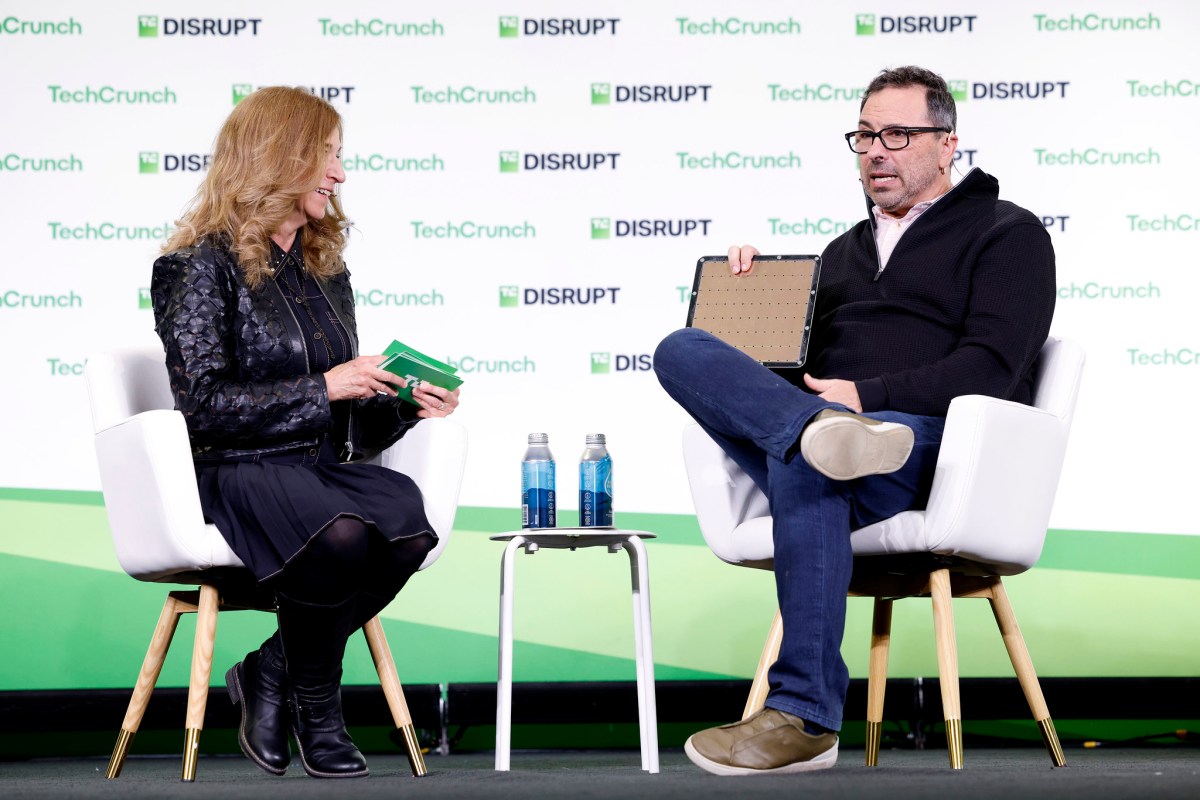
Cerebras CEO Andrew Feldman envisions a future where personal AI assistants become as common as household appliances, running partly on local devices and partly in the cloud.
What happened
Cerebras CEO Andrew Feldman predicts that personal AI assistants will become as common as household appliances, running partly on local devices and partly in the cloud. He highlights the growing integration of AI into daily life through consumer agents like Meta's Muse and Instinct, and envisions AI assistants that will know users well, have access to credit cards, and help with purchases. Feldman emphasizes his focus on building the infrastructure for AI rather than consumer-facing products.
Why it matters
The development of personal AI assistants has significant implications for AI developers and technology professionals, as it represents a shift toward more integrated and user-centric AI applications. For businesses, it opens new opportunities for innovation and customer engagement through AI-driven services.
- Personal AI assistants are becoming more common and integrated into daily life.
- AI assistants will run partly on local devices and partly in the cloud.
- The focus is on building the infrastructure for AI rather than consumer-facing products.
- AI has the potential to make daily life better through automation and personalization.
The bigger picture
The widespread adoption of personal AI assistants could significantly improve daily life by automating tasks and providing personalized assistance. It also has the potential to transform industries by enabling more efficient and user-centric services.
Cerebras CEO Andrew Feldman envisions a future where personal AI assistants are as common as household appliances, running partly on local devices and partly in the cloud. He highlights the growing integration of AI into daily life and emphasizes the importance of building the infrastructure for AI.
Technical details
- AI assistants will run partly on local devices and partly in the cloud.
- Consumer AI agents like Meta's Muse and Instinct are examples of AI integration into daily life.
- AI assistants will have access to credit cards and be able to make purchases.
FAQ
What does Andrew Feldman predict about AI assistants?
He predicts that personal AI assistants will become as common as household appliances, running partly on local devices and partly in the cloud.
What examples does Feldman use to illustrate AI's integration into daily life?
He cites consumer AI agents like Meta's Muse and Instinct as examples of AI's growing integration into daily life.
What capabilities do Feldman's envisioned AI assistants have?
They will know users well, have access to credit cards, and be able to make purchases.
What is Feldman's focus in his work at Cerebras?
He is focused on building the infrastructure for AI rather than consumer-facing products.
This summary and analysis were generated with AI from the original article and may contain errors. Read the original for the full story.
Read the full story
Originally published by TechCrunch on Oct 13, 2026.
Comments
Sign in to join the discussion.