
Cisco’s OCP message: The network is now AI’s critical path, and openness is the price of admission
For most of its history, Cisco Systems Inc. won by building vertically integrated network products and asking customers to buy all of it. The company did very well with that model.
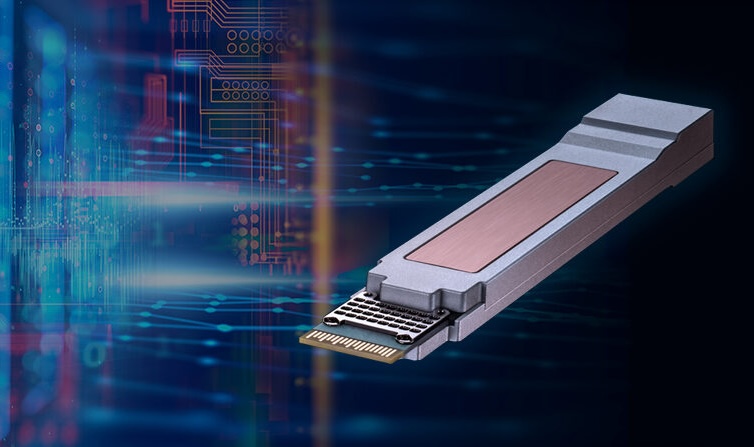
Cisco is shifting its strategy to embrace openness and security in AI infrastructure, as highlighted in its recent announcements at the Open Compute Project Global Summit.
What happened
Cisco announced several new networking technologies and strategies at the Open Compute Project Global Summit, emphasizing openness and security in AI infrastructure. These include the USFP pluggable optics, G300 systems, and the Live Protect security solution for SONiC.
Why it matters
For AI developers and infrastructure professionals, Cisco's shift towards open and secure networking solutions addresses critical challenges in AI deployment, such as scalability, reliability, and security. This approach helps avoid vendor lock-in and ensures efficient use of AI resources.
- Cisco's move to openness is a strategic response to customer demands for avoiding vendor lock-in.
- Enhanced security features like Live Protect are critical for maintaining uptime in AI environments.
- Open standards and interoperability are becoming essential for AI infrastructure scalability and efficiency.
The bigger picture
Cisco's open and secure approach to AI networking can influence the adoption of open standards, reduce costs through competition, and improve reliability in large-scale AI deployments. This shift may encourage other vendors to adopt similar strategies, fostering a more competitive and innovative AI infrastructure market.
Cisco's recent announcements highlight a significant strategic shift towards openness and security in AI infrastructure, addressing key challenges in scalability, reliability, and vendor lock-in.
Technical details
- USFP (Ultra-Dense Small Form Factor Pluggable) optics for 400-gigabit-per-lane signaling with up to 12.8 Tbps bandwidth.
- G300 and G302 top-of-rack chips for high-performance AI workloads.
- Live Protect runtime security for SONiC, providing kernel-level protection without downtime.
- SONiC (Software-defined Networking Operating System) as a key open platform for Cisco's networking strategy.
- OpenZR+ in optics and P4 programmability at the chip level for flexibility.
FAQ
What is the significance of Cisco's shift to an open model for AI infrastructure?
Cisco's open model allows customers to avoid vendor lock-in and choose from multiple vendors, promoting competition and reducing costs. It also aligns with the needs of large-scale AI deployments that require flexibility and scalability.
How does Live Protect enhance security in AI networks?
Live Protect provides real-time kernel-level protection for SONiC without requiring downtime, allowing patches to be applied during planned maintenance windows. This reduces the risk of breaches and ensures continuous operation of AI workloads.
What are the key technologies Cisco introduced for AI infrastructure?
Cisco introduced USFP optics for high bandwidth, G300 and G302 chips for top-of-rack processing, and the Live Protect security solution. These technologies aim to support large-scale AI workloads with improved performance and reliability.
This summary and analysis were generated with AI from the original article and may contain errors. Read the original for the full story.
Read the full story
Originally published by SiliconANGLE on Oct 13, 2026.
Comments
Sign in to join the discussion.