
Dassault-backed startup unveils strike weapon designed to hit targets up to 1,240 miles away
French defense startup Harmattan AI has unveiled IRIFI, an autonomous long-range strike system designed to...
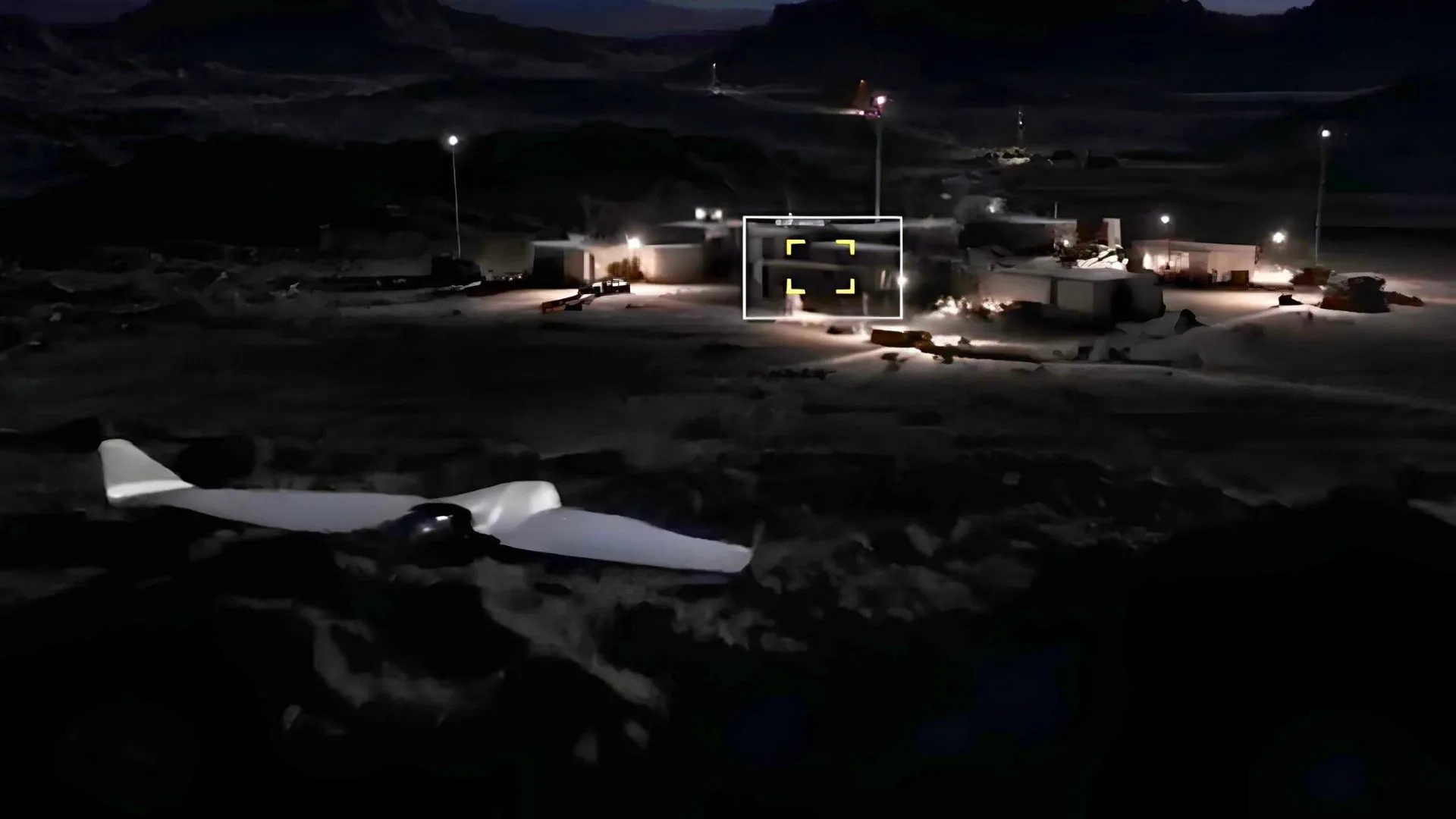
Harmattan AI, a French defense startup backed by Dassault Aviation, has unveiled IRIFI, an autonomous long-range strike system capable of hitting targets up to 1,240 miles away. The system is designed to offer a lower-cost alternative to traditional long-range missiles while emphasizing AI-driven autonomy and scalability.
What happened
Harmattan AI has introduced IRIFI, an autonomous long-range strike system designed to conduct missions up to 1,240 miles away. The system is intended for use against logistics hubs, airfields, and other infrastructure. It operates without satellite navigation and uses onboard visual guidance for precision strikes. The system is designed for rapid, large-scale deployment and is positioned as a lower-cost alternative to traditional long-range missiles.
Why it matters
IRIFI represents a significant development in autonomous strike systems, combining AI-driven autonomy with scalability. For AI developers and defense professionals, it highlights the potential of AI in enhancing precision, reducing costs, and enabling rapid deployment in complex environments. The system's emphasis on autonomy and human oversight could influence future military strategies and AI integration in defense technology.
- IRIFI is an autonomous long-range strike system with AI-driven navigation and visual guidance.
- The system is designed for rapid, large-scale deployment and can be launched from a mobile canisterized launcher.
- Human commanders retain authority over lethal actions, while the system executes autonomously.
- IRIFI aims to combine the scalability of lower-cost systems with the capabilities of long-range missiles.
- Key details such as payload, speed, and testing remain undisclosed, limiting independent assessment.
The bigger picture
IRIFI's potential impact lies in its ability to bridge the gap between inexpensive one-way drones and costly long-range missiles. Its emphasis on autonomy and scalability could redefine deep-strike capabilities, offering a cost-effective solution for large-scale military operations.
Harmattan AI's IRIFI represents a significant step in autonomous strike technology, offering a scalable and cost-effective solution for long-range missions. While the system's capabilities are promising, the lack of public details on performance metrics and testing remains a challenge for independent evaluation.
Technical details
- IRIFI uses onboard navigation without GNSS dependency.
- The system employs visual guidance during the terminal phase of a mission.
- It can fly at low altitude to reduce radar detection.
- AI processes satellite imagery for mission planning.
- The system is designed for canisterized launch and autonomous operation.
FAQ
What is IRIFI?
IRIFI is an autonomous long-range strike system developed by Harmattan AI, capable of hitting targets up to 1,240 miles away.
How does IRIFI navigate?
IRIFI uses onboard navigation without relying on satellite navigation (GNSS) and employs visual guidance during the terminal phase of a mission.
Who controls the mission execution?
Human commanders authorize targets and mission parameters, while the system executes autonomously within those predefined parameters.
What is the significance of IRIFI?
IRIFI aims to bridge the gap between inexpensive one-way drones and costly long-range missiles by combining scalability with AI-driven autonomy.
What are the limitations of IRIFI?
Key details such as payload, speed, cost, and testing remain undisclosed, making it difficult to independently assess its performance.
This summary and analysis were generated with AI from the original article and may contain errors. Read the original for the full story.
Read the full story
Originally published by Interesting Engineering - Robotics on Oct 8, 2026.
Comments
Sign in to join the discussion.