
Expanding AI Storage Access with NVIDIA cuObject and the NVIDIA SCADA Server SDK
AI infrastructure engineers, storage developers, and cloud service providers need fast and secure access to high-capacity file and object storage to support AI...
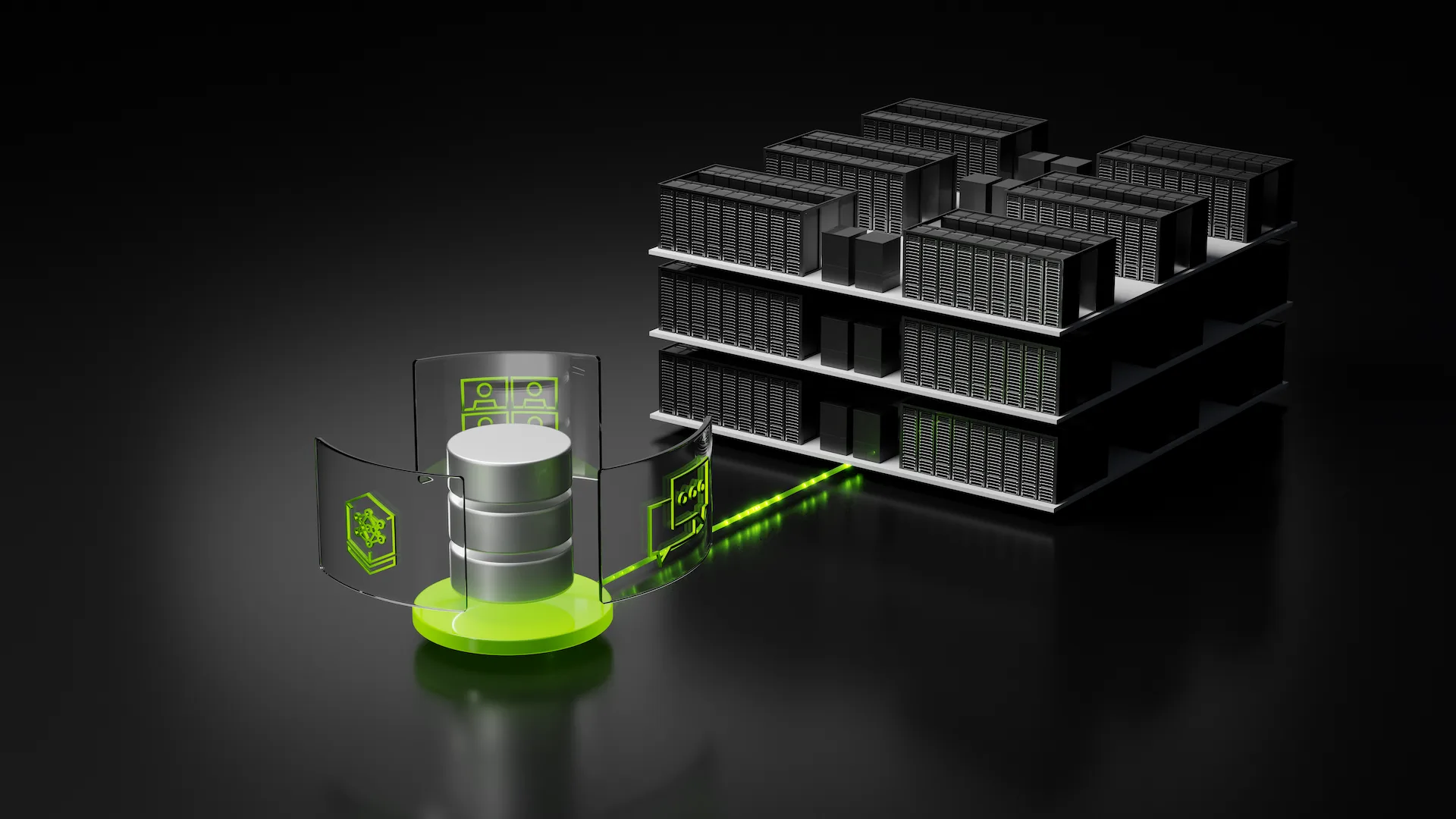
NVIDIA is expanding AI storage access with the release of cuObject and the NVIDIA SCADA Server SDK, enabling faster and more secure data access for AI workloads.
What happened
NVIDIA has expanded xio-sig to include cuObject alongside cuFile, and announced the general availability of cuObject client and server libraries. The SCADA Server SDK enables storage providers to build servers that respond to GPU-initiated requests. These developments aim to improve interoperability and performance for AI data access.
Why it matters
These advancements are crucial for AI developers and storage providers as they enable faster, more secure data access for AI workloads, reducing CPU utilization and improving throughput and latency.
- cuObject and cuFile now offer standardized APIs for accelerated AI data access.
- SCADA Server SDK enables storage providers to build servers that respond to GPU-initiated requests.
- RDMA-accelerated, zero-copy data transfers improve performance and reduce CPU utilization.
- NVIDIA is leading the Storage-Next initiative to define open industry standards for GPU-driven storage.
The bigger picture
The new tools and protocols support large-scale AI applications such as semantic search, recommender systems, and fraud detection by enabling efficient access to large datasets.
NVIDIA's expansion of xio-sig and the release of the SCADA Server SDK provide new tools for AI developers and storage providers to achieve faster, more secure data access for AI workloads.
Technical details
- cuObject uses RDMA wire protocol for accelerated object-storage applications.
- SCADA Server SDK allows storage providers to build servers that respond to GPU-initiated requests.
- xio-sig provides a common wire protocol for interoperability between cuObject and cuFile.
- RDMA-accelerated, zero-copy data transfers are used to avoid CPU memory copying.
FAQ
What is cuObject?
cuObject is a library that provides APIs for accelerated object-storage applications using RDMA wire protocol.
What is the SCADA Server SDK?
The SCADA Server SDK enables storage providers to build servers that respond to GPU-initiated requests using RDMA.
What is xio-sig?
xio-sig is a project that includes cuFile and cuObject, offering standardized APIs for accelerated AI data access.
Why is RDMA important for AI workloads?
RDMA allows for zero-copy data transfers, improving throughput, reducing latency, and minimizing CPU utilization for data writes and reads.
What is the Storage-Next initiative?
Storage-Next is an initiative led by NVIDIA to define open industry standards for GPU-driven storage, involving over 40 vendors and customers.
This summary and analysis were generated with AI from the original article and may contain errors. Read the original for the full story.
Read the full story
Originally published by NVIDIA Developer Blog on Sep 30, 2026.
Comments
Sign in to join the discussion.