
India’s tech giants shrug off changes to USA’s skilled visa program
As Microsoft denies alleged ‘fraud and abuse’ that sparked the tweaks
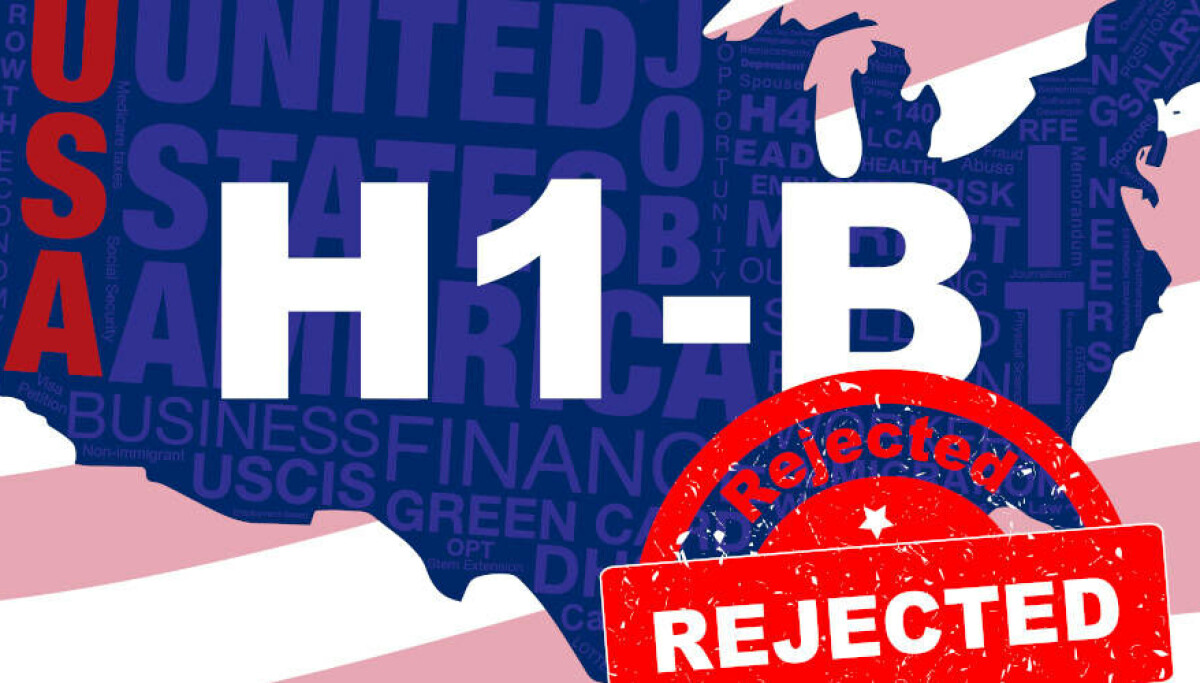
The article discusses how India's tech giants and Microsoft are responding to changes in the US skilled visa program, specifically the restrictions on the PERM program for H-1B visa holders.
What happened
The US government announced changes to the skilled visa program, restricting the PERM program for Microsoft and several Indian tech companies. These changes were based on allegations of fraud and abuse, leading to a response from Microsoft and NASSCOM denying these claims.
Why it matters
The changes to the H-1B visa program impact the ability of US tech companies to hire foreign workers, affecting both the availability of skilled labor and the strategies of companies in the tech industry.
- The US government is tightening regulations on the H-1B visa program to protect American jobs.
- Tech companies like Microsoft and Indian firms are defending their practices against allegations of fraud and abuse.
- The changes may influence the strategies of tech companies in hiring and workforce planning.
The bigger picture
The restrictions on the PERM program may affect the hiring practices of US tech companies, potentially leading to a shift in how they source and retain skilled workers.
The article highlights the ongoing debate over the H-1B visa program and its implications for US tech companies and foreign workers, with responses from major players like Microsoft and NASSCOM.
FAQ
What are the changes to the US skilled visa program?
The US government has restricted the PERM program for Microsoft and Indian tech companies, limiting their ability to convert H-1B visa holders to permanent residents.
Why were the changes made?
The changes were based on allegations of fraud and abuse, aiming to protect American jobs by limiting the use of H-1B visas for foreign workers.
How have Microsoft and NASSCOM responded?
Microsoft and NASSCOM have denied the allegations, emphasizing their commitment to hiring American workers and paying competitive wages.
This summary and analysis were generated with AI from the original article and may contain errors. Read the original for the full story.
Read the full story
Originally published by The Register on Oct 9, 2026.
Comments
Sign in to join the discussion.