
Neura Robotics launches multimodal AI model that gives robots perception and memory
Neura Robotics has launched Neuron AI, its multimodal foundation model for physical AI. Combining 3D vision, touch, audio, robot state and language with memory, Neuron AI enables robots to act on information beyond what cameras alone can capture, as well as retain relevant context when objects…
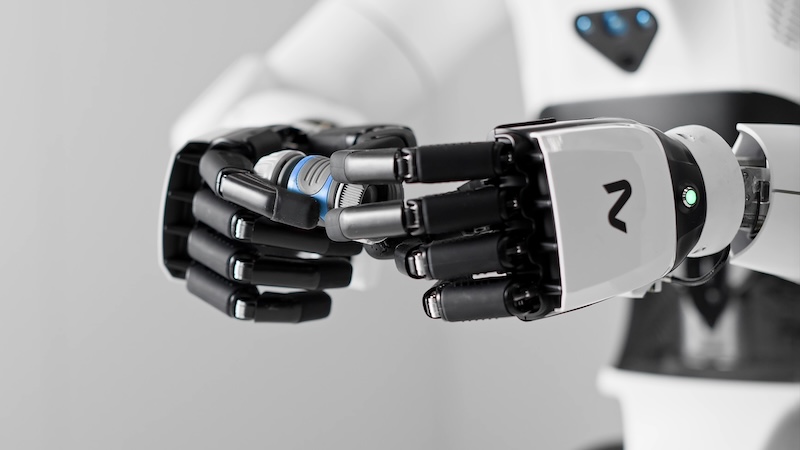
Neura Robotics has introduced Neuron AI, a multimodal foundation model designed to enhance robots with advanced perception, memory, and physical interaction capabilities.
What happened
Neura Robotics launched Neuron AI, a multimodal foundation model that integrates 3D vision, touch, audio, robot state, and language with memory. This model enables robots to process multisensory information, retain context, and perform complex physical tasks. The model was developed in Germany and will be demonstrated at Nvidia GTC Berlin 2026.
Why it matters
Neuron AI advances the capabilities of robots in industrial and physical environments by enabling them to perceive, remember, and act on multisensory information, improving task efficiency and adaptability.
- Neuron AI represents a significant advancement in physical AI by integrating multiple sensory modalities and memory.
- The model's architecture and training data enable robots to perform complex tasks with greater autonomy and adaptability.
- The Neuraverse platform allows for flexible deployment and customization of the model across different applications.
The bigger picture
The introduction of Neuron AI enhances the ability of robots to perform complex physical tasks, potentially improving efficiency and adaptability in industrial and service environments. The model's memory and multisensory integration could lead to more autonomous and context-aware robotic systems.
Neura Robotics has launched Neuron AI, a multimodal foundation model that enhances robots with advanced perception, memory, and physical interaction capabilities, marking a significant step forward in the development of physical AI.
Technical details
- Perception-Language-Action (PLA) architecture
- Multimodal data integration (3D vision, touch, audio, robot state, language)
- Memory function for object permanence and cause-effect tracking
- Three data pillars: real-world robot data, simulation-amplified data, human demonstration data
- Neuraverse platform for deployment and model fine-tuning
FAQ
What is Neuron AI?
Neuron AI is a multimodal foundation model developed by Neura Robotics that integrates 3D vision, touch, audio, robot state, and language with memory to enable robots to process multisensory information and perform complex physical tasks.
How does Neuron AI improve robot capabilities?
Neuron AI enhances robots by combining multiple sensory inputs and memory, allowing them to retain context, track objects, and perform tasks that require more than just visual perception, such as detecting sounds and forces.
What are the key components of Neuron AI's training data?
Neuron AI is trained on three data pillars: real-world robot data, simulation-amplified data, and human demonstration data, which together provide a comprehensive foundation for physical AI.
This summary and analysis were generated with AI from the original article and may contain errors. Read the original for the full story.
Read the full story
Originally published by Robotics & Automation News on Oct 14, 2026.
Comments
Sign in to join the discussion.