
OpenAI、安全性研究者3人を解雇 本人らは「安全性を優先したため」と主張、同社は「機密情報の扱いに関する規定違反」と説明
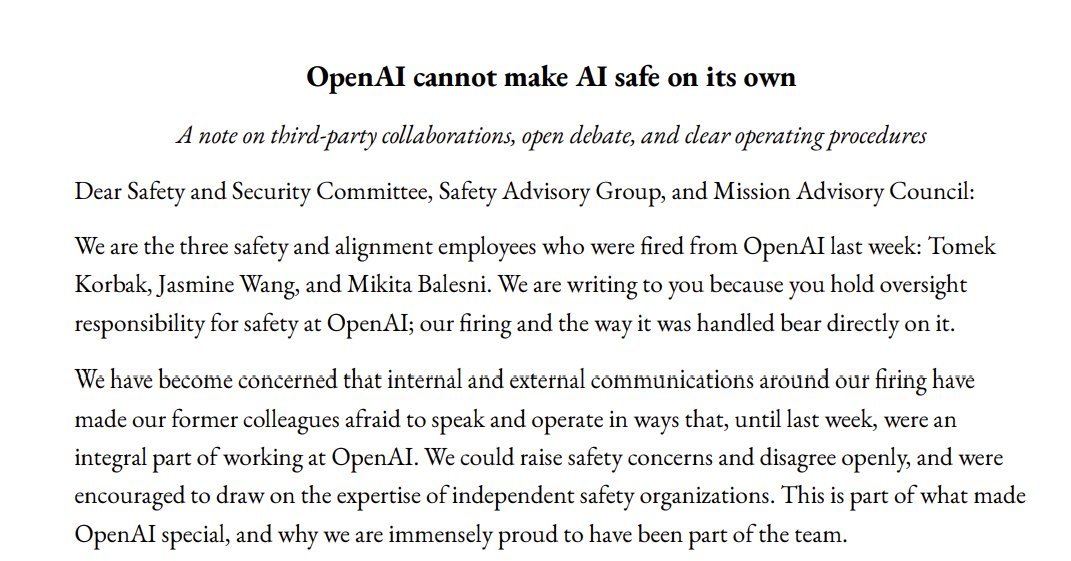
OpenAIで安全性研究に携わっていた研究者3人が、突然解雇されたと公表し、書面での理由開示や外部監査の受け入れ維持を求める書簡を公開した。これに対しOpenAIは、機密情報規定への重大な違反が社内調査で判明したためと説明し、安全性の懸念表明を理由とした解雇ではないと反論している。
OpenAI's termination of three safety researchers sparks debate over transparency, confidentiality, and AI safety protocols.
What happened
Three OpenAI safety researchers publicly announced their termination, alleging insufficient explanation for their dismissal. OpenAI stated the firings resulted from internal investigations into confidentiality breaches, denying that safety concerns were the cause. The researchers claimed they were retaliated against for advocating external audits and transparency in AI safety practices.
Why it matters
The incident underscores critical challenges in balancing corporate confidentiality with open AI safety research, affecting trust in AI development practices and the ability to independently verify safety measures.
- AI safety research requires clear transparency mechanisms to maintain credibility
- Corporate confidentiality policies must balance with independent safety verification
- External audits are critical for building trust in AI development practices
- Researcher-employer conflicts over safety protocols can impact AI progress
The bigger picture
The dispute may influence industry standards for AI safety transparency, affect researcher trust in AI companies, and shape future policies on external audits of AI systems.
The OpenAI researcher termination controversy highlights ongoing challenges in maintaining transparency and safety in AI development while managing corporate confidentiality.
Technical details
- AI monitorability (ensuring human oversight of AI reasoning processes)
- Chain of Thought (CoT) research for transparent AI decision-making
- External safety audits and third-party collaboration frameworks
- Confidentiality protocols for handling sensitive AI research data
FAQ
What were the researchers accused of?
The researchers were accused of violating confidentiality policies, though the specific violations were not disclosed.
What did the researchers claim about their dismissal?
They claimed their dismissal was retaliation for advocating external safety audits and transparency in AI development.
What is the significance of AI monitorability?
Monitorability ensures human oversight of AI reasoning processes, which is critical for verifying safety and alignment with human values.
How did OpenAI respond to the allegations?
OpenAI stated the dismissals resulted from confirmed confidentiality breaches and denied that safety concerns were the reason.
What role do external audits play in AI safety?
External audits provide independent verification of AI safety measures, helping build trust in AI systems and their development processes.
This summary and analysis were generated with AI from the original article and may contain errors. Read the original for the full story.
Read the full story
Originally published by ITmedia AI - Japan on Oct 9, 2026.
Comments
Sign in to join the discussion.