
Peter Thiel: You Know Who Else Wants to Regulate AI? The Antichrist
Thiel's 'Antichrist' lecture series in Nashville is reportedly focused on casting AI regulation advocates as antichrist enablers.
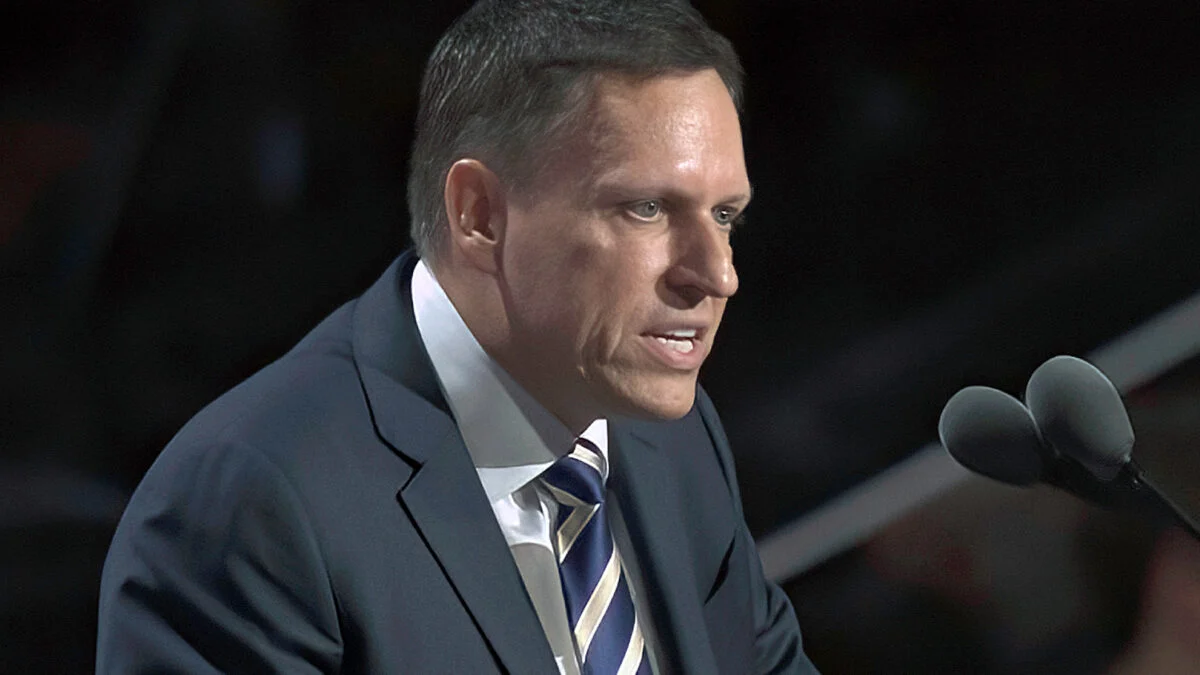
The article discusses Peter Thiel's lecture series in Nashville where he criticizes AI regulation and associates it with the antichrist, highlighting his controversial views on AI governance and its implications.
What happened
Peter Thiel delivered a lecture series in Nashville where he criticized AI regulation, associating it with the antichrist. He accused Obama and the Pope of leveraging AI regulation for political purposes and expressed concerns about effective altruism's influence on AI development.
Why it matters
Thiel's views on AI regulation and his financial stakes in the AI industry raise important questions about the influence of wealthy individuals on AI policy and the potential for conflicts of interest in shaping AI governance.
- Thiel's lecture series presents a controversial perspective on AI regulation and its association with the antichrist.
- His financial interests in AI could impact his stance on regulation and policy.
- The article underscores the importance of critical evaluation of influential figures' views on AI governance.
The bigger picture
Thiel's rhetoric may influence public perception of AI regulation and highlight the need for transparent and ethical discussions around AI governance, especially considering the involvement of influential figures with vested interests.
The article presents Peter Thiel's controversial lecture series on AI regulation and the antichrist, emphasizing the need for careful consideration of influential voices in AI policy discussions.
FAQ
What is Peter Thiel's main argument in his lecture series on AI regulation?
Thiel argues that government attempts to regulate AI are evil and associates them with the antichrist, suggesting that regulators like Obama and the Pope are using AI regulation for political gain.
How does Thiel's financial background influence his views on AI regulation?
Thiel's significant investments in AI through his hedge fund and startups may create a conflict of interest, as he benefits from minimal regulation of AI technologies.
What is the significance of Thiel's criticism of effective altruism?
Thiel criticizes effective altruism for promoting a one-world government that could restrict AI progress, viewing it as a threat to technological advancement and individual freedom.
This summary and analysis were generated with AI from the original article and may contain errors. Read the original for the full story.
Read the full story
Originally published by Gizmodo — AI on Oct 9, 2026.
Comments
Sign in to join the discussion.