
Super Micro case ‘fixer’ pleads guilty to sending AI servers to China
A former contractor charged alongside Super Micro Computer’s co-founder has pleaded guilty to helping smuggle AI servers to China, Bob Van Voris reported for Bloomberg. Ting-Wei ‘Willy’ Sun entered his plea in a Manhattan federal court on Thursday, as part of a deal with prosecutors.
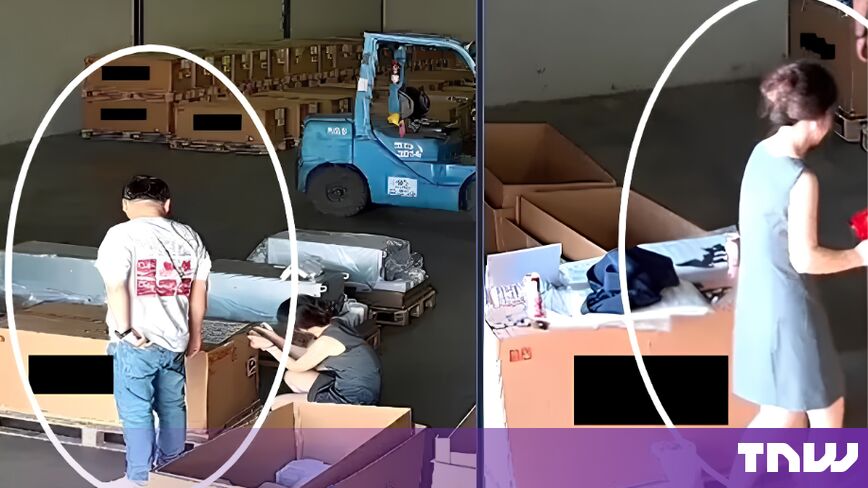
A former contractor involved in a $2.5bn scheme to smuggle AI servers to China has pleaded guilty, highlighting risks in AI hardware supply chains and export control violations.
What happened
Ting-Wei Sun, a former contractor, admitted to conspiring to divert AI servers equipped with restricted Nvidia chips to China through a Southeast Asian intermediary. The scheme involved falsifying documentation and using counterfeit servers to evade export regulations. Sun pleaded guilty to four counts, while Super Micro's co-founder and another individual face unresolved charges.
Why it matters
The case highlights vulnerabilities in AI hardware supply chains and the critical role of export controls in preventing sensitive technology from falling into unauthorized hands. It also emphasizes the legal and ethical responsibilities of companies and contractors in ensuring compliance with international regulations.
- Export controls are critical for safeguarding AI hardware from unauthorized use.
- Companies must implement robust compliance protocols to prevent supply chain exploitation.
- Legal consequences for violating AI-related regulations can be severe, affecting individuals and organizations alike.
The bigger picture
The case reinforces the need for stricter compliance measures in AI hardware distribution and raises concerns about the potential misuse of advanced computing resources in restricted regions. It also serves as a legal precedent for enforcing export control laws in the AI sector.
The guilty plea of Ting-Wei Sun underscores the growing challenges in regulating AI hardware exports and the importance of adherence to international compliance standards to mitigate risks associated with advanced computing technology.
Technical details
- AI servers containing Nvidia chips, which are subject to US export restrictions.
- Falsification of audit records and use of 'dummy' servers to conceal the true destination of hardware.
- Serial number manipulation using a hair dryer to attach counterfeit identifiers.
FAQ
What role did Ting-Wei Sun play in the AI server smuggling case?
Sun pleaded guilty to conspiring to smuggle AI servers with restricted Nvidia chips to China, using falsified records and dummy servers to evade export controls.
Why is this case significant for AI technology?
It highlights the risks of misusing AI hardware and the importance of enforcing export regulations to prevent sensitive technology from being diverted to restricted regions.
What are the legal implications for companies involved in AI hardware distribution?
Companies must ensure strict compliance with export control laws to avoid legal repercussions, as seen in this case where contractors faced criminal charges while the company itself was not directly implicated.
This summary and analysis were generated with AI from the original article and may contain errors. Read the original for the full story.
Read the full story
Originally published by The Next Web AI on Oct 10, 2026.
Comments
Sign in to join the discussion.