
The 2026 Maintainers Summit
The Maintainers Summit is a one-day, invitation-only gathering of about 30 kernel developers; i [...]
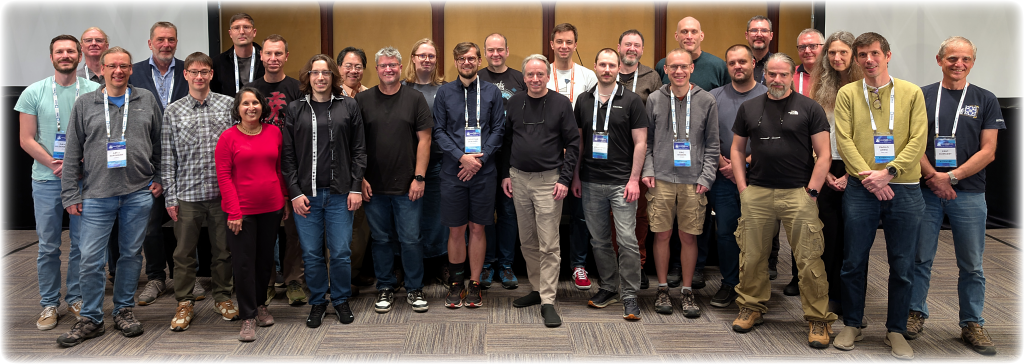
The 2026 Maintainers Summit brought together Linux kernel developers to discuss challenges and innovations in kernel development, with a focus on AI tools like Sashiko and LLMs, patch review practices, and the future of open-source collaboration.
What happened
The 2026 Maintainers Summit focused on challenges in Linux kernel development, including the role of AI tools like Sashiko and LLMs, the impact of low-quality contributions, and the rise of private kernel forks. Key topics included automated patch review workflows, the need for better developer education, and strategies to manage the influx of AI-generated code.
Why it matters
The discussions highlight critical challenges in balancing AI adoption with code quality, community governance, and open-source sustainability. For developers, the summit underscores the need to adapt to AI tools while maintaining rigorous review practices. For businesses, it raises questions about the long-term viability of open-source collaboration versus proprietary kernel development.
- AI tools like Sashiko require careful integration to avoid overwhelming developers with false positives.
- Low-quality contributions from new developers should be deprioritized to maintain code quality.
- LLMs can be valuable for skilled developers but require significant setup to avoid generating subpar code.
- Private kernel forks pose challenges to open-source sustainability, but the community remains focused on upstream contributions.
- Balancing automation with human expertise is critical for maintaining the Linux kernel's integrity.
The bigger picture
The summit's discussions may influence how AI tools are integrated into kernel development workflows, shape community policies on contribution quality, and affect the long-term sustainability of open-source collaboration. The debate over private kernels could also impact corporate strategies for kernel maintenance.
The 2026 Maintainers Summit highlighted the complex interplay between AI tools, code quality, and open-source governance in Linux kernel development. While AI offers potential benefits, the community remains cautious about its misuse and emphasizes the need for structured workflows and expertise.
Technical details
- Sashiko: An automated patch review system that identifies code issues, now separating pre-existing bugs from new patch reviews.
- LLM (Large Language Model) usage: Debated as a tool for code generation, with concerns about misuse by unskilled developers.
- Patch review workflows: Discussions on prioritizing human reviews over automated tools and managing false positives.
- Private kernel forks: Companies maintaining custom kernels with AI assistance, challenging traditional open-source models.
FAQ
What is Sashiko, and why was it discussed at the summit?
Sashiko is an automated patch review system that identifies code issues. The summit debated its role in separating pre-existing bugs from new patch reviews to avoid overwhelming developers.
How do developers view the use of LLMs in kernel development?
LLMs are seen as useful tools for skilled developers but problematic when misused by unskilled users. There is a consensus that proper training and setup are required to avoid generating low-quality code.
What concerns were raised about new contributors?
Many developers expressed frustration with low-quality contributions from new users, arguing that mentoring them is often a waste of time and that such contributions should be deprioritized.
What is the significance of private kernel forks?
Private kernel forks, maintained by companies with AI assistance, challenge traditional open-source models. The community remains focused on making upstream contributions more attractive than proprietary alternatives.
How might the summit's discussions affect future development practices?
The discussions may lead to stricter policies on contribution quality, better integration of AI tools, and renewed efforts to balance automation with human expertise in code reviews.
This summary and analysis were generated with AI from the original article and may contain errors. Read the original for the full story.
Read the full story
Originally published by Lobsters on Oct 13, 2026.
Comments
Sign in to join the discussion.