
Vittorio Colao defends copyright rules and the DSA in Europe’s AI debate
Regulation is holding back AI in Europe, but not every rule in the same way, Vittorio Colao said. The former Vodafone chief executive, now vice chairman for Europe, the Middle East and Africa at General Atlantic, spoke on stage at Wave by Vento in Turin on Friday.
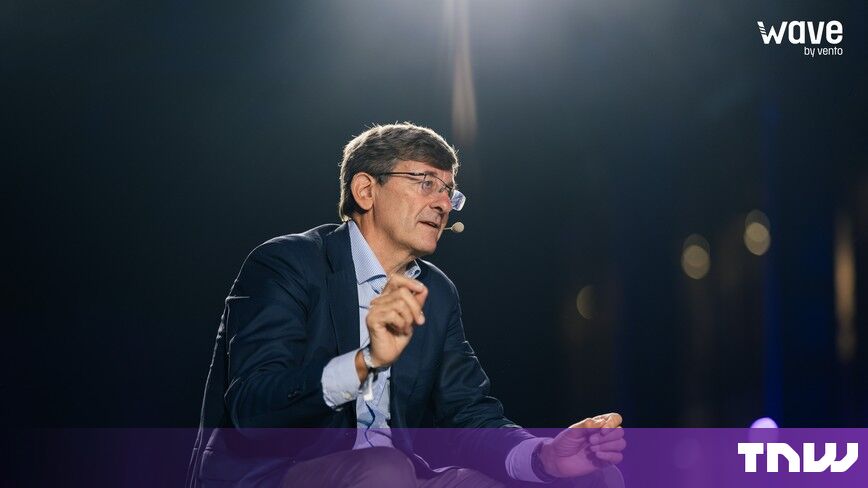
Vittorio Colao, former Vodafone CEO and current General Atlantic executive, discusses the impact of AI regulations in Europe, defending copyright laws and the Digital Services Act (DSA) while critiquing the EU's AI Act.
What happened
Colao addressed AI regulation challenges during a public discussion, highlighting tensions between innovation and oversight. He criticized the EU's AI Act for being too rigid, defended the DSA as a foundational policy, and outlined risks requiring collaborative solutions.
Why it matters
The article underscores the ongoing debate over AI governance, emphasizing the need for adaptive policies that balance innovation with societal protection. It highlights challenges for startups and the importance of addressing AI's broader impacts.
- Regulation must evolve to match technological advancements without stifling innovation.
- Copyright and content accountability frameworks are critical for AI development.
- AI startups need unique value propositions and agile teams to thrive.
- Collaboration between industry and policymakers is essential to address AI risks.
- Balancing economic, social, and security concerns is vital for sustainable AI growth.
The bigger picture
The discussion reflects the EU's struggle to align fast-moving AI technology with slow legislative processes, influencing how regulators and companies approach compliance and innovation.
Colao's remarks highlight the complexities of AI regulation, advocating for pragmatic policies that protect creators, ensure accountability, and support innovation while addressing societal risks.
Technical details
- GDPR (General Data Protection Regulation)
- AI Act (EU regulatory framework for AI)
- Digital Services Act (DSA) requirements for content accountability
- Four AI risks: jobs/social impact, judgment, wealth concentration, cybersecurity
FAQ
What is Vittorio Colao's stance on AI regulation?
He acknowledges regulation as a barrier to AI innovation but defends essential frameworks like the DSA and copyright laws, arguing for balanced, practical policies.
Why does Colao criticize the EU's AI Act?
He describes it as overly complex and difficult to implement, contrasting it with the DSA, which he views as a necessary pillar of digital democracy.
What risks does Colao identify for AI development?
He highlights four key risks: job displacement, erosion of human judgment, wealth concentration, and cybersecurity threats, urging collaboration to address them.
How does Colao view AI startups?
He believes startups with unique approaches, customer focus, and adaptable teams are more likely to succeed, while commoditized ventures face challenges.
What role does Colao assign to policymakers in AI development?
He emphasizes the need for faster, more agile policy-making involving private sector expertise to keep pace with technological changes.
This summary and analysis were generated with AI from the original article and may contain errors. Read the original for the full story.
Read the full story
Originally published by The Next Web AI on Oct 10, 2026.
Comments
Sign in to join the discussion.