
What I learnt co-leading an AI Safety bootcamp for legal and governance practitioners
AI safety has gone mainstream. More people than ever want to work on AI safety research, and there are real policy wins in the US, the UK and Europe. But political will and market incentives are now the bottleneck, and policy officers can't own correct implementation alone.Having built a…
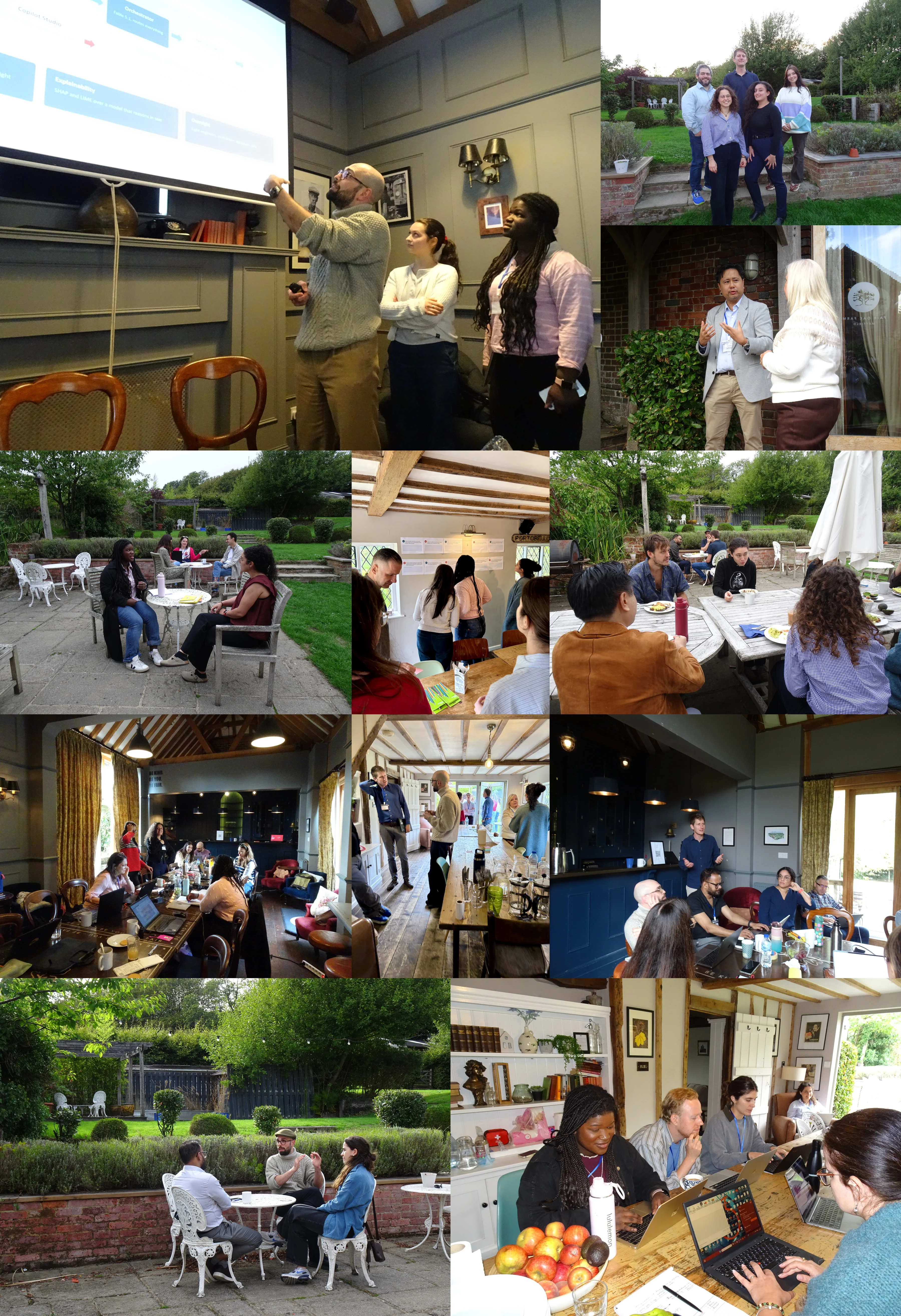
This article discusses the experience of co-leading an AI Safety bootcamp for legal and governance professionals, highlighting the importance of technical literacy and collaboration in advancing AI safety.
What happened
The article describes the experience of co-leading an AI Safety bootcamp for legal and governance professionals, focusing on the challenges and insights gained from the event. The bootcamp aimed to bridge the gap between technical AI safety knowledge and legal/governance practices, fostering collaboration and understanding among participants.
Why it matters
The article emphasizes the critical need for legal and governance professionals to understand AI safety to effectively implement policies and mitigate risks. This is particularly important as AI systems become more integrated into various sectors, requiring a multidisciplinary approach to ensure safety and compliance.
- Legal and governance professionals must understand technical AI safety concepts to implement effective policies.
- Collaboration between technical and non-technical professionals is essential for advancing AI safety.
- Building a community of professionals interested in AI safety can lead to better practices and new collaborations.
- Participants should continue to engage with AI safety research and apply their learning to their roles.
- Technical literacy is crucial for professionals involved in AI governance and risk management.
The bigger picture
The bootcamp had a significant impact by fostering a community of professionals who are now actively applying their learning to their roles, leading to tangible actions such as rejecting unsafe AI claims, scrutinizing AI agent use, and recruiting AI safety experts into their teams.
The article concludes that building a community for legal and governance professionals interested in AI safety is vital. It highlights the importance of fostering collaboration and technical understanding to ensure safer AI practices and policies.
Technical details
- Technical sessions covered AI training, evaluations, agents, and safeguards.
- Participants engaged with complex AI safety research, such as the Hugging Face incident and Redwood Research's AI Control paper.
- The bootcamp included practical exercises to understand how AI systems operate and their potential risks.
- Participants explored the differences between proprietary and open-weight models, and the impact of post-training stages on safety and performance.
FAQ
What was the purpose of the AI Safety bootcamp?
The bootcamp aimed to bridge the gap between technical AI safety knowledge and legal/governance practices, fostering collaboration and understanding among participants.
Who were the participants in the bootcamp?
The participants included senior legal, governance, risk, and compliance professionals from various jurisdictions and backgrounds.
What technical topics were covered in the bootcamp?
Technical sessions covered AI training, evaluations, agents, safeguards, and complex AI safety research such as the Hugging Face incident and Redwood Research's AI Control paper.
What was the impact of the bootcamp?
The bootcamp led to tangible actions such as rejecting unsafe AI claims, scrutinizing AI agent use, and recruiting AI safety experts into teams.
Why is technical literacy important for legal and governance professionals?
Technical literacy is crucial for legal and governance professionals to understand AI systems, their risks, and to implement effective policies and compliance measures.
This summary and analysis were generated with AI from the original article and may contain errors. Read the original for the full story.
Read the full story
Originally published by LessWrong on Oct 3, 2026.
Comments
Sign in to join the discussion.