
Will AI be good or bad for the climate? Here's what the latest evidence on energy use suggests
Is AI a climate change villain whose insatiable hunger for electricity will roast the planet? Or will it help predict where the next climate disaster will strike and what to do about it?
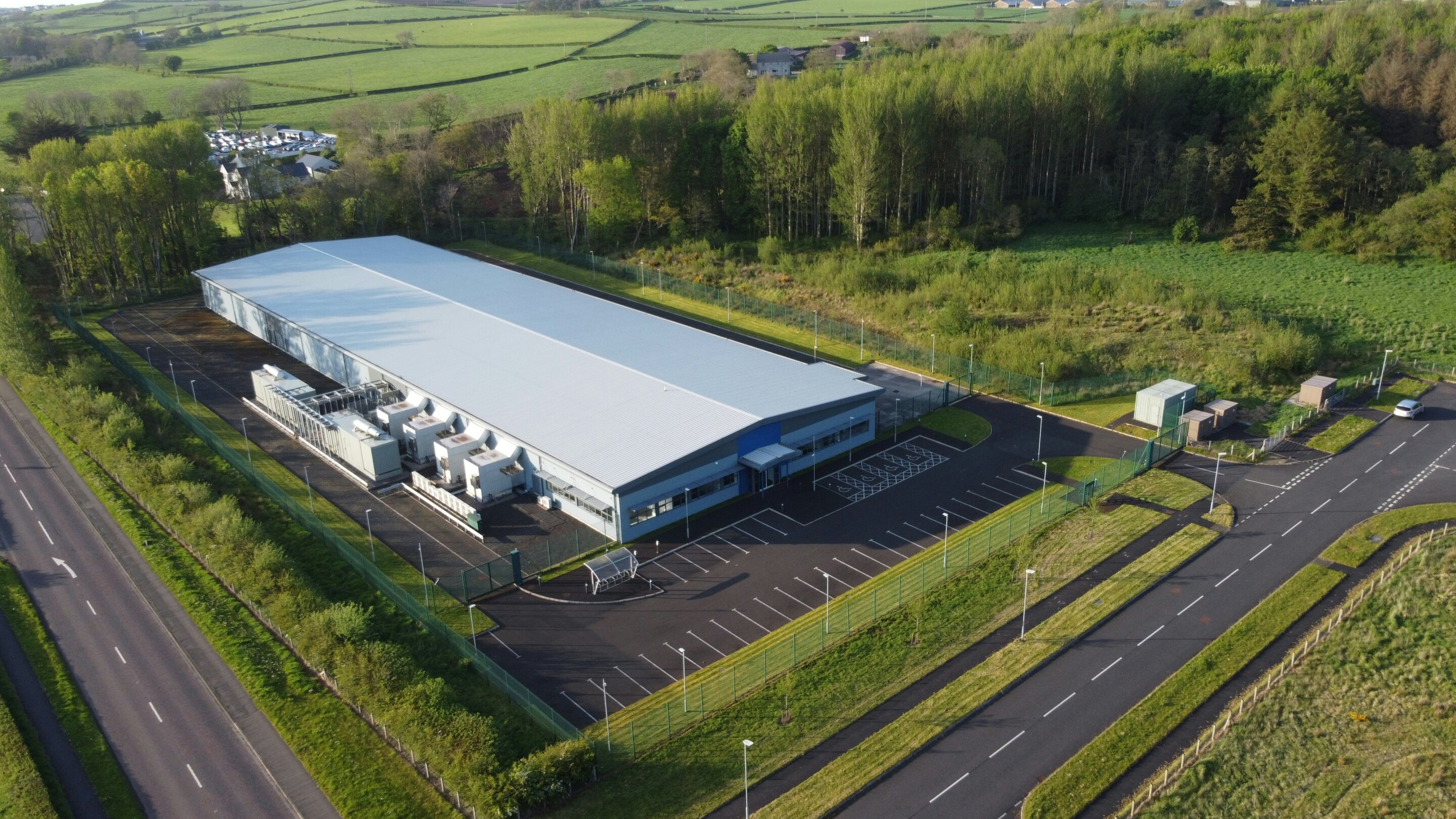
The article explores the dual role of AI in climate change, examining both its energy consumption and potential to aid in climate solutions.
What happened
The article discusses the increasing energy consumption of AI, particularly in data centers, and evaluates its potential to contribute to climate change solutions through improved forecasting and decision-making tools.
Why it matters
Understanding AI's energy use and its potential to aid in climate mitigation is crucial for developers, businesses, and policymakers to balance technological advancement with environmental sustainability.
- AI's energy consumption is a growing concern but can be managed with efficiency improvements.
- AI has significant potential to enhance climate forecasting and decision-making.
- Effective governance is essential to maximize AI's positive impact on climate change.
The bigger picture
The article highlights the need for better governance of AI to ensure its energy use is managed effectively and its potential benefits for climate action are realized.
The article concludes that AI's effect on the climate depends on both its energy management and the governance structures in place to guide its use.
Technical details
- Data centers used for AI training and deployment
- Large language models (LLMs)
- AIFS (AI for weather forecasting system)
- Jevons' paradox in AI energy efficiency
FAQ
How much energy does AI consume?
AI consumes about 155 terawatt-hours of electricity annually, accounting for 0.5% of the world's electricity and 0.1% of total energy use.
What is Jevons' paradox in the context of AI?
Jevons' paradox refers to the phenomenon where improvements in energy efficiency lead to increased demand, offsetting energy savings.
Can AI help with climate change?
Yes, AI can improve climate forecasting, risk assessment, and decision-making processes for climate mitigation and adaptation.
This summary and analysis were generated with AI from the original article and may contain errors. Read the original for the full story.
Read the full story
Originally published by TechXplore AI on Oct 12, 2026.
Comments
Sign in to join the discussion.