

v0.7.0
LLM inference in C/C++. Contribute to ggml-org/llama.cpp development by creating an account on GitHub.
llama.cpp11 min read
Stay updated with the latest developments in Artificial Intelligence
LLM inference in C/C++. Contribute to ggml-org/llama.cpp development by creating an account on GitHub.



“We should look for love!” Transportation Secretary Sean Duffy bellowed while flanked by his nine children at the Great American State Fair in June: “Get married, and have lots of kids!” In a brazen attempt to make Duffy’s ethos a matter of policy, the Trump administration announced a strange new…

In theory, getting a donor liver in the United States when you need one should be an extremely equitable process: The sickest patients with the greatest chance to benefit from a donated organ should jump to the front of the line regardless of their gender, race, or other factors.
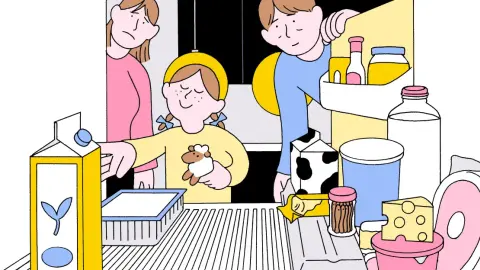
Hi readers! Shayla Love here, science journalist and longtime fan of Your Mileage May Vary. I’m honored to be subbing for Sigal Samuel while she’s out on parental leave.

Jonathan Hale was ready to lay down his paint rollers. Hale, a law student turned viral road safety advocate, had run into legal trouble for painting his own DIY crosswalks across some of Los Angeles’s most dangerous intersections.

What can an economist teach us about misery? I had that question in mind while reading the new book The Opposite of Happiness: How Bad Feelings Make and Break Us, by eminent researcher George Loewenstein.

This story is part of a series supported by Animal Charity Evaluators, which received a grant from EarthShare. When I was a kid, my family would occasionally go fishing on small row boats on the lakes of Montgomery County, Maryland.
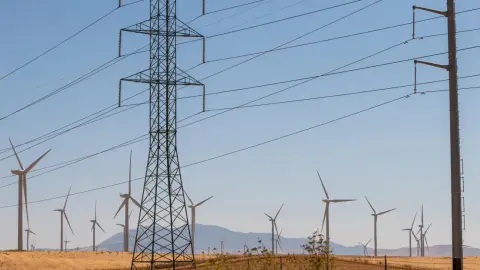
There’s no place like Kansas, a state whose howling winds are so fierce that in the 1800s, the roaring soundscape drove local farmers into madness. It is so windy in Kansas that every so often, trains get swept off their tracks or trampolines get hurled into the air and flung into neighbors’ trees.
Editor’s note, October 4, 8 am ET: We’re bringing you some of our best-loved Your Mileage May Vary columns while Sigal Samuel is on parental leave. The one below was originally published last year. This unconventional advice column offers you a unique framework for thinking through moral dilemmas.

Buried beneath every American city is a mysterious jumble of cables, pipes, and gas lines, entangled like a pair of wired headphones the moment you pull them out of your pocket.

The Soviet Union famously churned out tens of thousands of new apartment buildings in the 1960s, ’70s, and ’80s — some assembled in as little as 12 days — together comprising tens of millions of individual apartments.
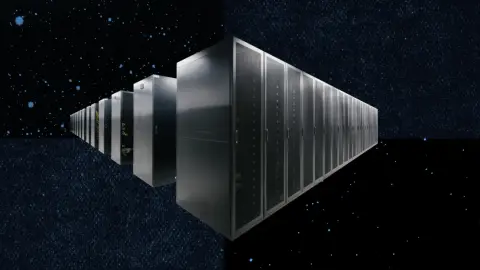
During a tense vote on a data center being built in her drought-stricken Arizona district last summer, Tucson City Councilmember Nikki Lee made an unlikely pitch: “We’re going to get a little out-of-this-world for a second, so just bear with me.” Like many of her constituents, Lee did not want…

There is a kind of terror-tinged embarrassment that comes from dozing off on your beach towel on the sand, only to find a rising tide intrude upon your mid-nap bliss, lapping at your toes and sweeping away your sunglasses.
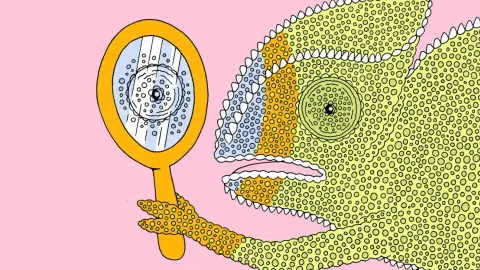
Hi readers! Shayla Love here, science journalist and longtime fan of Your Mileage May Vary. I’m honored to be subbing for Sigal Samuel while she’s out on parental leave.

If there’s one thing that Americans can unite behind, it’s anxieties over artificial intelligence. According to a recent NBC News/Decision Desk poll, 70 percent of adults say they are personally more worried than excited about the technology; it’s basically underwater in every area of society with…

This story appeared in Today, Explained, a daily newsletter that helps you understand the most compelling news and stories of the day. Subscribe here. Four beluga whales have died in a month at one of America’s top-rated aquariums — a tragic development and, arguably, a reason to revisit the ethics…
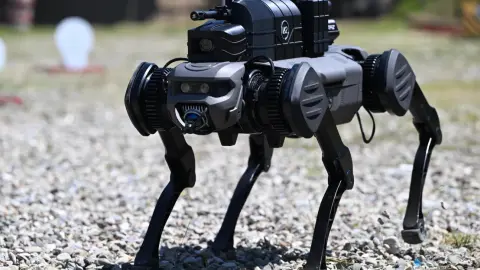
Who gets to tell the military “no”? That question has become even more important after the Pentagon pushed AI companies to loosen limits on how their technology may be used in war — including how much human control must remain over autonomous weapons.

Editor’s note, September 20, 8 am ET: We’re bringing you some of our best-loved Your Mileage May Vary columns while Sigal Samuel is on parental leave. The one below was originally published last September.
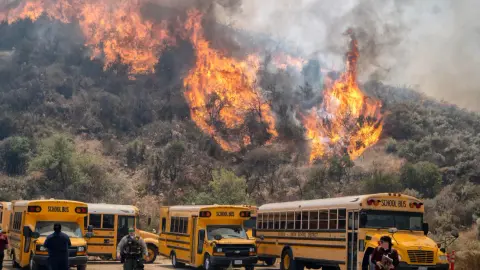
Wildfires are popularly considered wild — restricted to the remote wilderness or the edge of forests, and to most, a problem for the dry and hot states of the Western US. But over the past few years, and now across the country, these fires are getting less wild and far more urban.
Showing 18 of 20 stories
Load more storiesGet the top AI news and tools straight to your inbox every week.
Weekly · AI news from Vox — Future Perfect
Join 15,000+ AI enthusiasts