
Steering AI Beyond Automation
By Gabriel Unger and Arvind Narayanan. Unger is an economist at Stanford’s Digital Economy Lab.
AI Snake Oil24 min read
22 stories
By Gabriel Unger and Arvind Narayanan. Unger is an economist at Stanford’s Digital Economy Lab.

In recent weeks, two narratives about AI safety have emerged: either AI existential risk is real and imminent, or AI leaders’ and whistleblowers’ claims to that effect are insincere — a “psyop” or hype or a twisted form of regulatory capture.
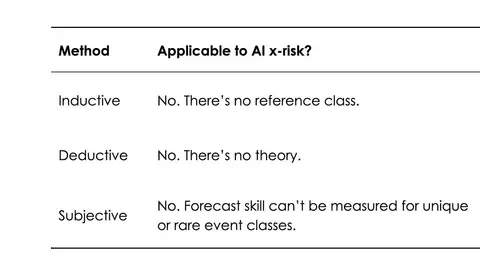
How speculation gets laundered through pseudo-quantification
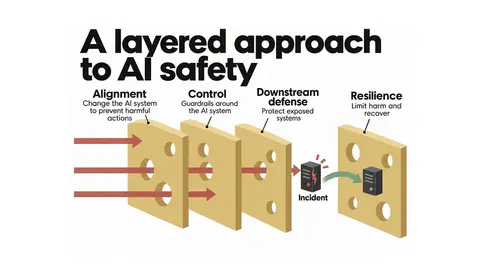
A middle ground between the cybersecurity and AI safety communities
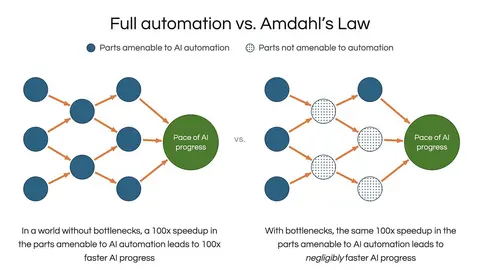
The goal of leading AI labs is recursive self-improvement (RSI): the automation of AI research using AI agents. RSI also underpins forecasts of explosive AI progress. How can we assess if we are close to this milestone?
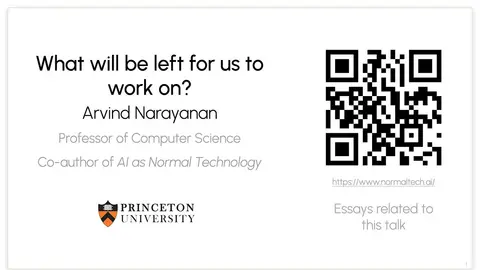
I had the honor of giving a keynote at the International Conference on Machine Learning in Seoul last week titled “What will be left for us to work on?” I addressed the widespread anxiety about how we should adapt as AI capabilities increase.
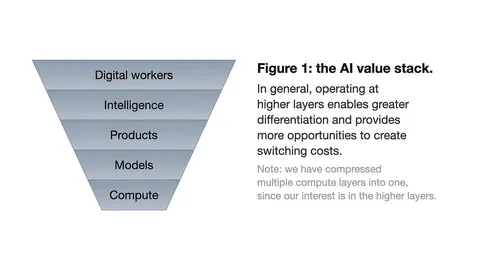
Our goal in this essay is to move beyond the debate over whether AI is a bubble. We do so in two ways: clearly separating current financials from the question of who captures value in the long run, and recognizing that the labs are not confined to be model providers.
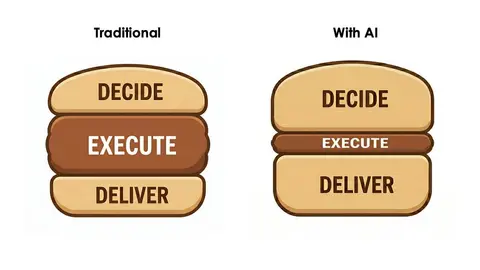
There is great anxiety and uncertainty about AI replacing jobs. How can we move past vague warnings and bombastic predictions and bring data to bear on this question?

By Stephan Rabanser, Sayash Kapoor, Rishi Bommasani, Andrew Schwartz, Arvind Narayanan

In a recent essay, Derek Thompson engages with AI as Normal Technology (AINT). He agrees with our thesis about AI’s slow labor market impacts, relying on the fact that GDP growth has so far been average, unemployment is below 5%, and even jobs that seemed vulnerable to automation show rising…
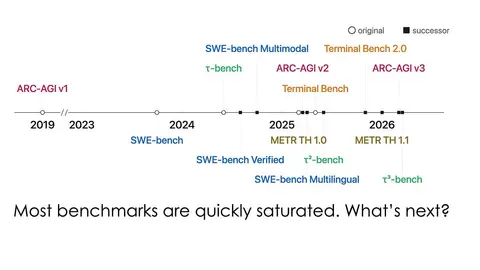
Introducing CRUX, a new project for evaluating AI on long, messy tasks
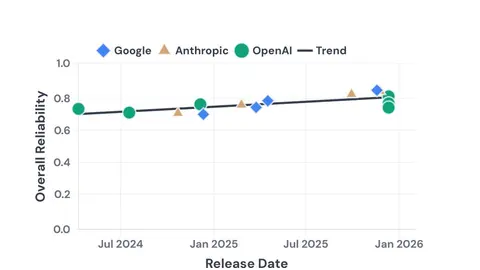
Suppose you hear about a new AI agent for improving productivity — by making purchases, or writing code, or sending emails, or handling a customer on your behalf. Should you trust it? Can the agent do the job reliably enough? After all, there are many horror stories of agents going wrong.
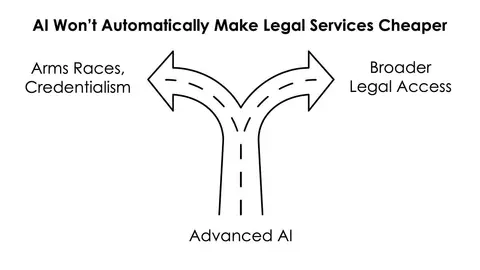
Applying the AI as Normal Technology framework to legal services
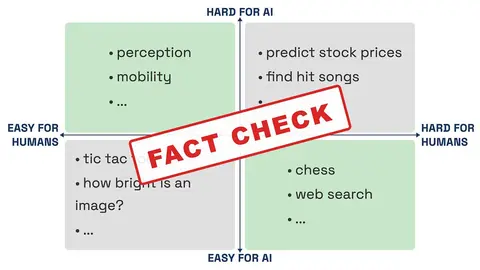
I have launched a YouTube channel in which I analyze AI developments from a normal technology perspective. This essay is based on my most recent video in which I did a deep dive into Moravec’s paradox, the endlessly repeated aphorism that tasks that are hard for humans are easy for AI and vice…
When we published AI as Normal Technology, the impact caught us off guard. It quickly became the most influential thing either of us had ever done.1 We took this as a strong signal to spend more of our time thinking and writing about the medium-term future of AI and its impacts, offering grounded…
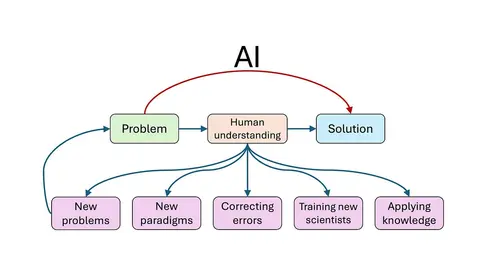
AI leaders have predicted that it will enable dramatic scientific progress: curing cancer, doubling the human lifespan, colonizing space, and achieving a century of progress in the next decade.
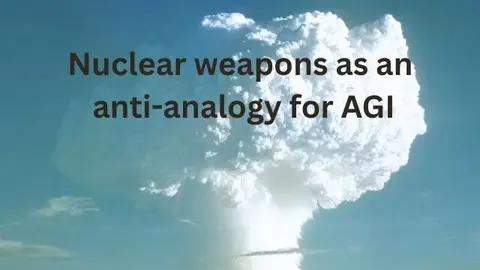
There is no capability threshold that will lead to sudden impacts
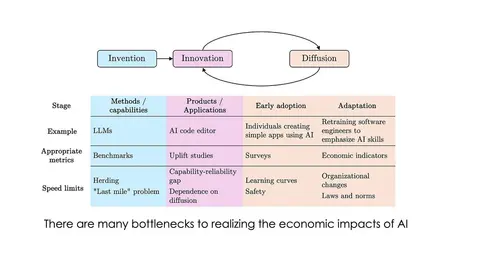
This post is over 15,000 words long—it is a new paper on our vision for the future of AI. We are pleased to announce that an expanded version of these ideas will become our next book together.
Showing 18 of 22 stories
Load more storiesGet the top AI news and tools straight to your inbox every week.
Weekly · AI news
Join 15,000+ AI enthusiasts