

What is Chrome DevTools Protocol (CDP)?
Learn how Chrome DevTools Protocol (CDP) works, when to use it, and how to control Chrome with a step-by-step WebSocket and Puppeteer example.
Browser Use Blog8 min read
9 stories
Learn how Chrome DevTools Protocol (CDP) works, when to use it, and how to control Chrome with a step-by-step WebSocket and Puppeteer example.

Lightpanda is a browser for machines, from agents acting on behalf of a user to data extraction at scale and indexing. Best practice looks different according to your use case.
Every tool in web automation runs on a browser engine. There are only two real options: Chromium and Lightpanda. Here's how the entire stack fits together.
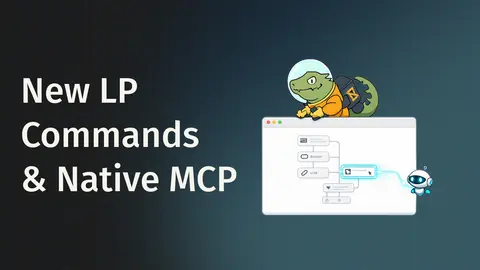
The LP domain grows with LP.getSemanticTree, LP.getInteractiveElements, and LP.getStructuredData alongside a native MCP server built into the browser binary that exposes the same engine capabilities without CDP.
Lightpanda now converts web pages to markdown natively inside the browser, cutting token usage for AI agents.
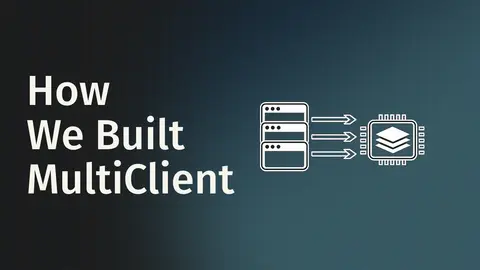
Lightpanda can now handle multiple CDP connections simultaneously. Here's what it took to get there and what it means for running concurrent browser sessions at scale.
How we built request interception in Lightpanda and why the async coordination between your HTTP client and CDP WebSocket is the part that really matters.
The Chrome DevTools Protocol powers every major browser automation library, but it wasn't designed for browser automation.
Web automation tools like Playwright and Puppeteer run on top of CDP. Understanding CDP helps developers choose the right level of abstraction.
Showing 9 of 9 stories
You're all caught up.
Get the top AI news and tools straight to your inbox every week.
Weekly · AI news
Join 15,000+ AI enthusiasts