

Speeding drivers use app to dodge fines
Drivers alerted to police presence by others using a popular global app appear to be learning how to avoid speeding penalties—but not how to stay safe on roads.
TechXplore AI1 min read
45 stories
Drivers alerted to police presence by others using a popular global app appear to be learning how to avoid speeding penalties—but not how to stay safe on roads.

Life often gets in the way of going to bed in sync with our circadian rhythm and getting enough sleep. Work, school and other social commitments can pull our schedules out of step, and scientists call this mismatch social jet lag.

According to a Pew survey conducted this year, about half of U.S. adults say that they spend too much time on their phone. About a quarter say that they are on their phone "almost constantly" and, of the 45% who have tried decreasing their phone use, only 25% say they succeeded.
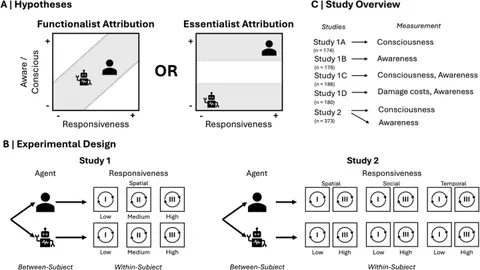
Stories about AI systems deceiving users, cooperating with one another or pursuing their own goals increasingly invite us to talk about them as if they had minds of their own. But do people really believe that AI is conscious?
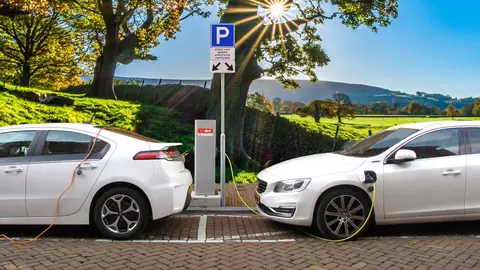
Electric cars are dangerous, bad for the environment and impossible to use in the outback. These are just some of the claims circulating among Australians skeptical of the switch to EVs, new research finds.

From our smartphones to advanced industrial systems, cameras have become an integral part of modern life. Conventional cameras capture scenes as a sequence of frames at fixed time intervals.

Anyone who has used ChatGPT or another artificial intelligence chatbot has likely seen a disclaimer that its answers may be incorrect. Large language models are built to generate the most probable response to a prompt.

Addiction, violence, aggression, social withdrawal: Video games have been in the crosshairs for a litany of negative impacts. Researchers at Macquarie University, however, are working on the premise that video games can have positive impacts, too—that just as pilots use simulators to learn and hone…

It's bedtime. You set your alarm, notice your phone is down to 23% battery, plug it in beside the bed and go to sleep. By morning, it's been connected to the charger for seven to eight hours—much longer than it needed to reach 100%, especially if it's on a fast charger.
Showing 45 of 45 stories
You're all caught up.
Get the top AI news and tools straight to your inbox every week.
Weekly · AI news
Join 15,000+ AI enthusiasts