
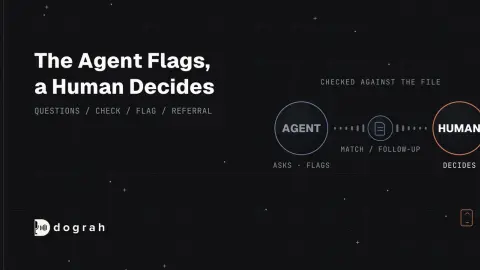
AI Voice Agents for Claims Fraud Screening in Insurance
A screening agent asks every insurance claimant the same questions and flags answers that do not match the file. A human investigator decides what happens next.
Dograh Blog9 min read
53 stories
A screening agent asks every insurance claimant the same questions and flags answers that do not match the file. A human investigator decides what happens next.

Customers still call to ask where their order is. When a voice agent should answer, when it should call first, and what stays a text.
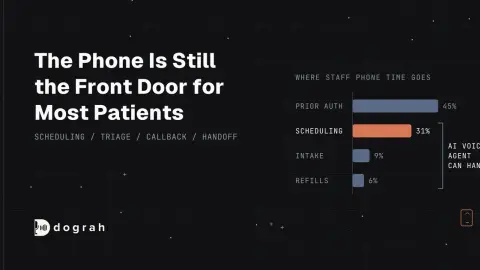
Patients still phone first. What an AI voice agent should handle, what it should pass to a nurse, and what health systems reported in 2026.
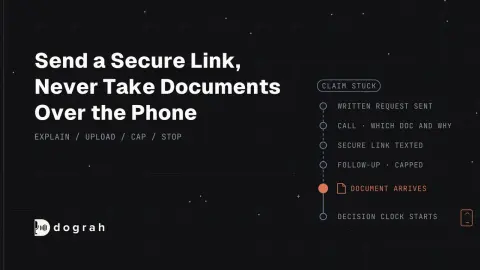
Claims stall while the paperwork waits. How a voice agent explains the missing document and knows when to stop calling.
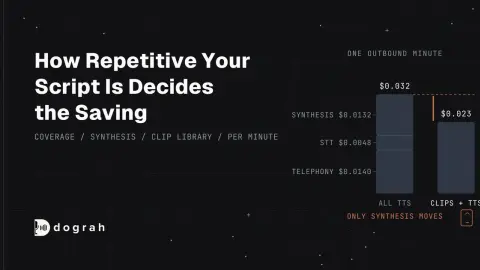
Record the lines your agent repeats, synthesise the rest in the same cloned voice, and see which line on the bill actually moves.
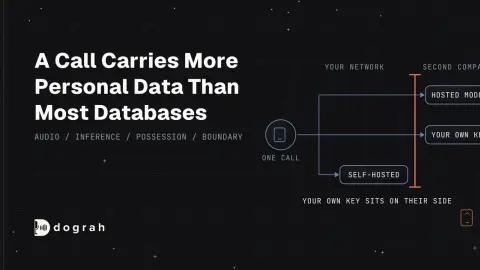
A phone call is ordinary personal data and a biometric identifier at the same time. What Illinois, the EDPB and the 2026 voiceprint filings mean for where your inference runs.
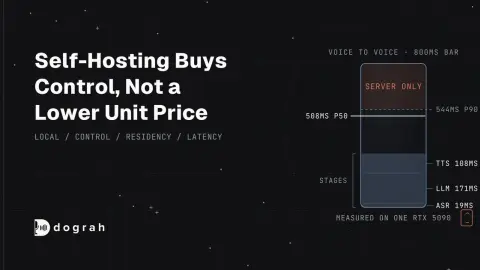
What running voice AI on your own hardware actually buys you, with measured latency, honest benchmark numbers and the stack worth running today.
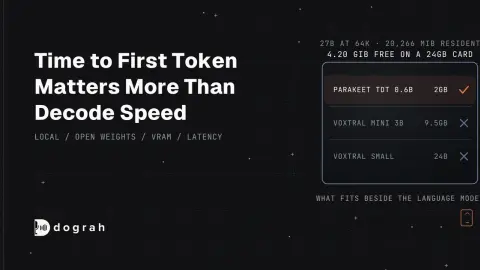
The build side of running voice AI locally: what fits on one 24GB card, which runtime to use per stage, and what the latency actually looks like on a phone call.
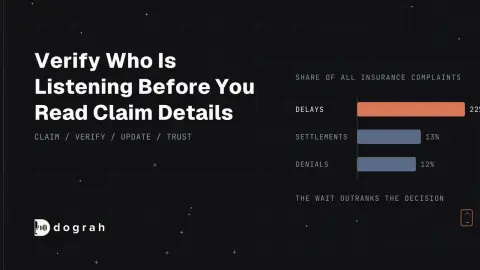
Claimants still phone for claim status updates. What to build so the answer arrives fast and still reaches the right person.

Yelp Host passed a million calls and the announcement describes how they sound. What decides whether a phone agent holds up unsupervised is somewhere else.
The first loss call collects medical and financial detail from someone under stress. What that means for where the audio lives and how the agent should listen.
A comparison of the three current realtime speech-to-speech models on the axes that decide a phone deployment: interaction quality, documented telephony support, and pricing basis.
Most BNPL misses are days late, not defaults. Why the opening line of a recovery call decides which collection rules apply.
The costliest impersonation scams open with a fake bank security alert. That is the constraint a real fraud-alert call has to design around.
Refill reminder calls are already permitted under HIPAA. The harder question is which vendor is holding the patient data while the call happens.
Why a caller is confidential before the firm agrees to anything, and how that decides where an intake voice agent is allowed to run.

Why right-party verification is the first legal gate on a collections call, and what Regulation F requires of an automated dialer.
Showing 53 of 53 stories
You're all caught up.
Get the top AI news and tools straight to your inbox every week.
Weekly · AI news
Join 15,000+ AI enthusiasts