
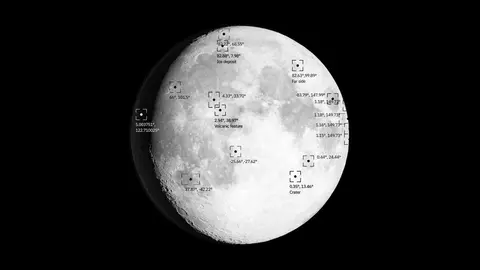
Introducing IBM and NASA's new foundation model for the Moon
The multi-modal model could help astronauts navigate craters, investigate ancient lava, and search for ice, as the US plans for a long-term lunar presence.
IBM Research Blog8 min read
41 stories
The multi-modal model could help astronauts navigate craters, investigate ancient lava, and search for ice, as the US plans for a long-term lunar presence.
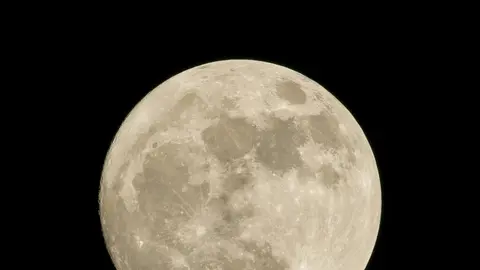
By Wanjiku Chebet Kanjumba, University of Florida NASA is planning to send three small rovers to the Moon with a single instruction: Work out among yourselves how to explore a patch of ground.
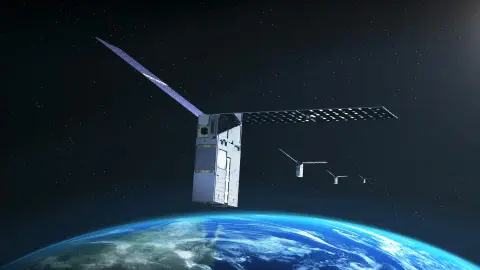
NASA has successfully tested a system that allows satellites to navigate without GPS by using other spacecraft and debris as landmarks in orbit. In just three days, FALCON also improved the known orbits of more than 200 space objects completely autonomously.
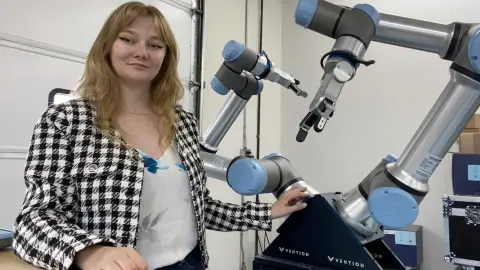
Like many engineers, Sarah Downs says she knew she wanted to pursue a STEM career from a young age. As a teenager, she discovered robotics through her Tulsa, Okla., middle school’s First Lego League team, and she fell in love with the field, she says.
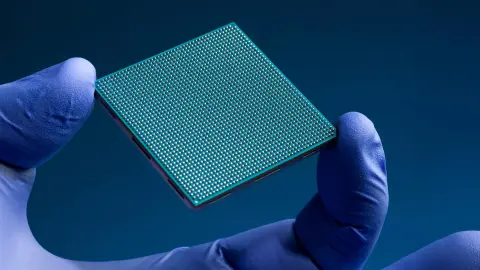
NASA is testing a next-generation space computer chip that could give spacecraft the ability to operate far more independently in deep space. The radiation-hardened processor is showing performance levels hundreds of times beyond current spaceflight computers while surviving punishing tests…
Showing 41 of 41 stories
You're all caught up.
Get the top AI news and tools straight to your inbox every week.
Weekly · AI news
Join 15,000+ AI enthusiasts