Agentic workloads break assumptions about software testing. Here’s how to cope
Most traditional enterprise systems were built around three assumptions: Jobs finish quickly, retrying one is free and the same input always produces the same output.
15 stories
Most traditional enterprise systems were built around three assumptions: Jobs finish quickly, retrying one is free and the same input always produces the same output.
I’m Matt Burns, Chief Content Officer at Insight Media Group. Each week, I round up the most important AI developments, The post Elon Musk’s Grok Bot will pick Claude over Grok when it’s better. One-model loyalty is dead. appeared first on The New Stack.
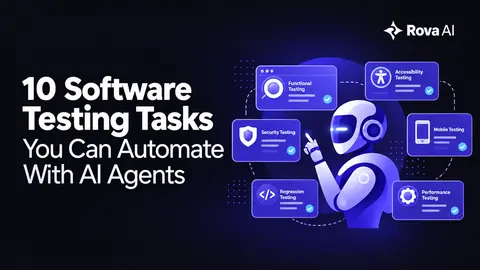
Software development is moving faster than most testing processes can keep up with. AI coding assistants can generate features, refactor code, build interfaces, and even create entire applications in a fraction of the time traditional development used to require.
OpenAI launched GPT-6.1 Sol on September 29, just a week after it launched GPT-6 Sol. OpenAI marketed 6.1 as an The post GPT-6.1 Sol vs. GPT-6 Astra: Same accuracy at 18% of the cost appeared first on The New Stack.
If there’s one thing the AI software engineering world doesn’t lack, it’s benchmarks. Want to know whether an agent can The post Copilot tops GitHub’s own AI code review benchmark. An independent one tells a different story. appeared first on The New Stack.
Three posts landed in September that I think engineering leaders should read together. Anthropic’s engineering team wrote that their continuous The post Agents have made CI the bottleneck. Faster pipelines are the wrong fix. appeared first on The New Stack.
Anthropic released Claude Opus 5.5 on September 22, saying it performs at the level of Claude Fable 5.1 on most The post Claude Opus 5.5 vs. Fable 5.1: One overthinks, the other cuts corners appeared first on The New Stack.
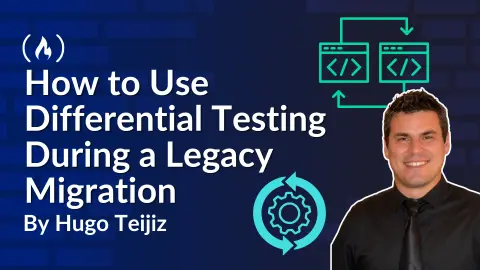
The most dangerous moment in a legacy migration isn't necessarily when you start writing the new implementation. It's when the new implementation looks finished. The code compiles, the tests pass, the
Software development has changed dramatically. AI coding assistants can generate features in minutes. Vibe coding platforms can turn a product idea into a working application without a traditional development workflow.
Software is being built faster than ever. AI coding assistants can generate features, write code, fix bugs, refactor applications, and even build complete products from natural-language prompts. Development teams that once needed days or weeks to implement certain changes can now move in hours.
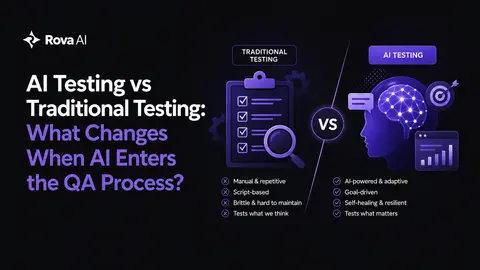
Software testing has always been about one fundamental question: does the software actually work as intended? What has changed is how quickly software is now being built, how complex modern applications have become, and increasingly, who or what is writing the code.
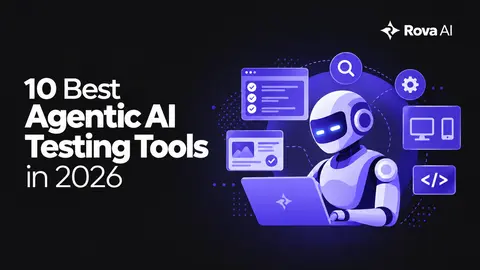
AI testing tools are everywhere. Every week seems to bring another platform promising autonomous testing, AI-powered automation, or self-healing test scripts.
AI is changing software development faster than most teams expected. Features that once took days to build can now be generated in minutes with tools like Claude, Cursor, GitHub Copilot, Lovable, Bolt, and Firebase Studio.
Software development has changed dramatically over the last decade. Development teams have embraced Agile, CI/CD, DevOps, platform engineering, and now AI-assisted development. Releases that once happened quarterly now happen weekly, daily, or even multiple times a day.
There’s a lot of noise around “autonomous” everything in tech right now. Autonomous driving. Autonomous agents. Autonomous coding. The word has been stretched across so many use cases that it risks becoming meaningless, another marketing adjective that gets pasted onto whatever is trying to sound…
Showing 15 of 15 stories
You're all caught up.
Get the top AI news and tools straight to your inbox every week.
Weekly · AI news
Join 15,000+ AI enthusiasts