Transparent AI UX: 7 Rules for Designing AI People Actually Trust
Most people use AI answers without checking them, yet less than half say they trust AI. That gap is a design problem. Here is how to close…Continue reading on Towards AI »
9 stories
Most people use AI answers without checking them, yet less than half say they trust AI. That gap is a design problem. Here is how to close…Continue reading on Towards AI »
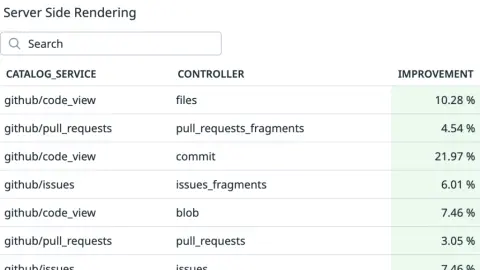
How we fully migrated github.com away from CSS-in-JS. The post Improving site performance by shipping more CSS appeared first on The GitHub Blog.
How we rebuilt the diff surface in the GitHub Copilot app to open a million-line pull request with hundreds of inline review comments. The post Rendering huge pull requests in the GitHub Copilot app appeared first on The GitHub Blog.
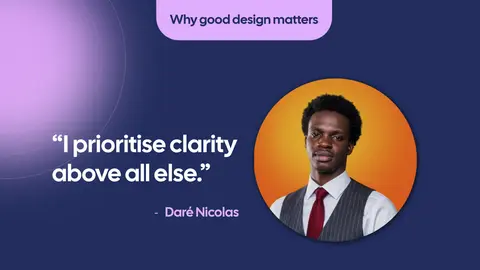
Daré Nicolas believes that good design is not simply about creating something visually appealing. It is about making information easier to understand, interactions more intuitive, and experiences more useful for the people they are designed for.
A broken link on your bio page looks exactly like a working one in your analytics. The click still gets counted, the button still looks fine, and the person who tapped it lands on an error page and leaves.
You spent three months on a website redesign and thirty seconds on the profile that actually gets the traffic. For most small businesses and creators, the first real interaction now happens on a phone, in a profile, before anyone has typed your domain into anything. The front door moved.
A follow is not a subscription. It is one visit to your profile, and the algorithm owes you nothing after that. This is the only moment you can count on with a new person, which makes your bio and your link-in-bio page the most important thirty seconds you own.
Most people stay on a link-in-bio tool they've outgrown for one reason: they're afraid of breaking something. Your URL is in your Instagram bio, your email signature, a QR code on a poster, and half a dozen places you've forgotten.
Lung cancer is the leading cause of cancer-related deaths globally with 1.8 million deaths reported in 2020. Late diagnosis dramatically reduces the chances of survival.
Showing 9 of 9 stories
You're all caught up.
Get the top AI news and tools straight to your inbox every week.
Weekly · AI news
Join 15,000+ AI enthusiasts