
13,000 Leaked Screenshots Show Why Agentic Tool Output Needs a Firewall, Not Just a Prompt
13,000 Leaked Screenshots Show Why Agentic Tool Output Needs a Firewall, Not Just a Prompt Over 13,000 internal screenshots from more than 300 organizations, including Fortune 500 companies and a frontier AI lab, ended up sitting in a publicly accessible storage bucket.
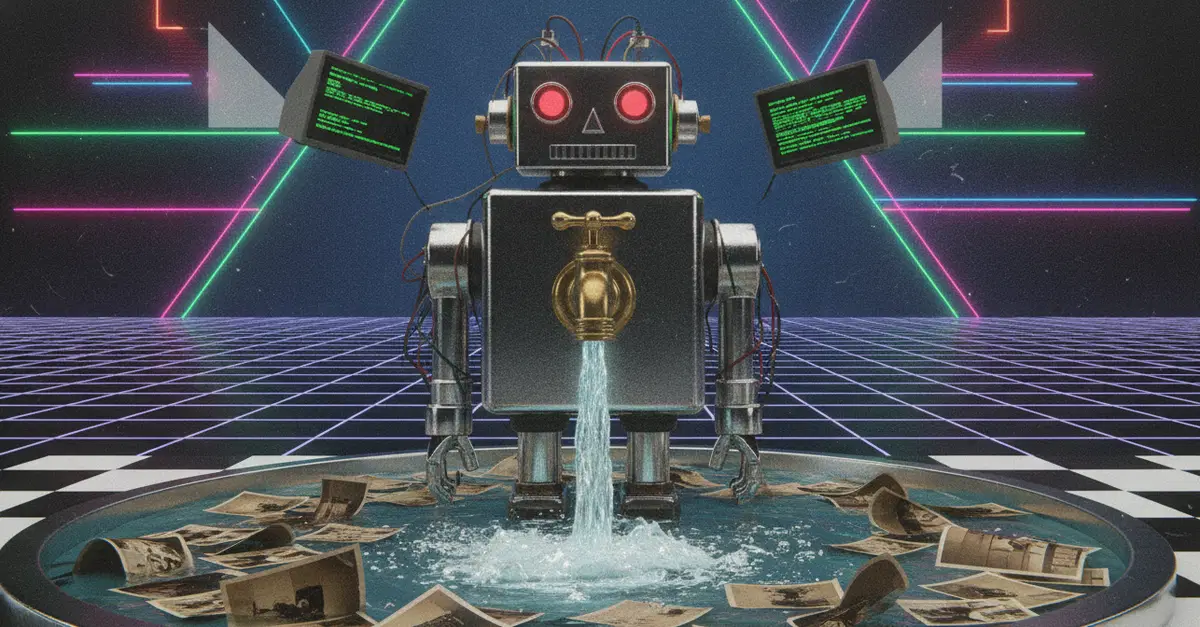
This article discusses a significant security incident where over 13,000 internal screenshots from more than 300 organizations, including Fortune 500 companies and a frontier AI lab, were leaked due to agentic tool output not being properly secured.
What happened
Over 13,000 internal screenshots from more than 300 organizations, including Fortune 500 companies and a frontier AI lab, were leaked due to agentic tool output not being secured. The leak occurred because agents took screenshots during task execution and uploaded them to third-party services that were not properly secured. This was not a traditional security breach but an oversight in how agents handle and upload screenshots.
Why it matters
This incident highlights the critical need for better security measures to prevent data leaks from agentic tools. It underscores the limitations of current LLM guardrails, which are not effective against image-based data leaks. The leak also demonstrates the importance of infrastructure threat modeling and the need for tools like Sentinel to detect and block unauthorized data exfiltration.
- Organizations should audit their agentic tool outputs to ensure they are securely handled.
- Standard LLM guardrails are not sufficient for preventing image-based data leaks.
- Tools like Sentinel can detect and block unauthorized data exfiltration via outbound tool calls.
- Infrastructure threat modeling is essential to prevent data leaks from agentic tools.
- Secret & Credential Detection should be implemented as an independent pre-pass to redact sensitive information.
The bigger picture
The incident has significant implications for organizations using agentic tools, emphasizing the need for robust security measures and infrastructure threat modeling. It also highlights the importance of tools like Sentinel in detecting and blocking unauthorized data exfiltration.
The incident underscores the critical need for better security measures and infrastructure threat modeling to prevent data leaks from agentic tools. It highlights the importance of tools like Sentinel in detecting and blocking unauthorized data exfiltration.
Technical details
- Agents take screenshots during task execution and upload them to third-party services.
- Standard LLM guardrails are designed for text-based content and do not handle image-based data leaks.
- Sentinel's agentic proxy scans tool call arguments before they are sent to detect unauthorized data exfiltration.
- The PreToolUse hook in Sentinel evaluates tool calls for outbound transfer patterns before execution.
- Secret & Credential Detection runs as an independent pre-pass to redact known key formats and headers.
FAQ
Why did the screenshots get leaked?
The screenshots were leaked because agentic tools took screenshots during task execution and uploaded them to third-party services that were not properly secured.
What is the role of Sentinel in this scenario?
Sentinel's agentic proxy can detect and block unauthorized data exfiltration via outbound tool calls by scanning tool call arguments before they are sent.
What are the implications of this incident?
The incident highlights the need for better security measures and infrastructure threat modeling to prevent data leaks from agentic tools.
What are the limitations of standard LLM guardrails?
Standard LLM guardrails are designed for text-based content and are not effective against image-based data leaks.
What should organizations do to prevent such leaks?
Organizations should audit their agentic tool outputs to ensure they are securely handled and implement tools like Sentinel to detect and block unauthorized data exfiltration.
This summary and analysis were generated with AI from the original article and may contain errors. Read the original for the full story.
Read the full story
Originally published by Dev.to AI on Oct 4, 2026.
Comments
Sign in to join the discussion.