
Roundtables: A Conversation With the Creator of AI-Designed Viruses
Friday, October 16, 2026 Can AI design new life forms? In 2025, Stanford University PhD student Samuel King came up with a preliminary answer when he used a generative AI model to propose genetic blueprints for microscopic viruses.
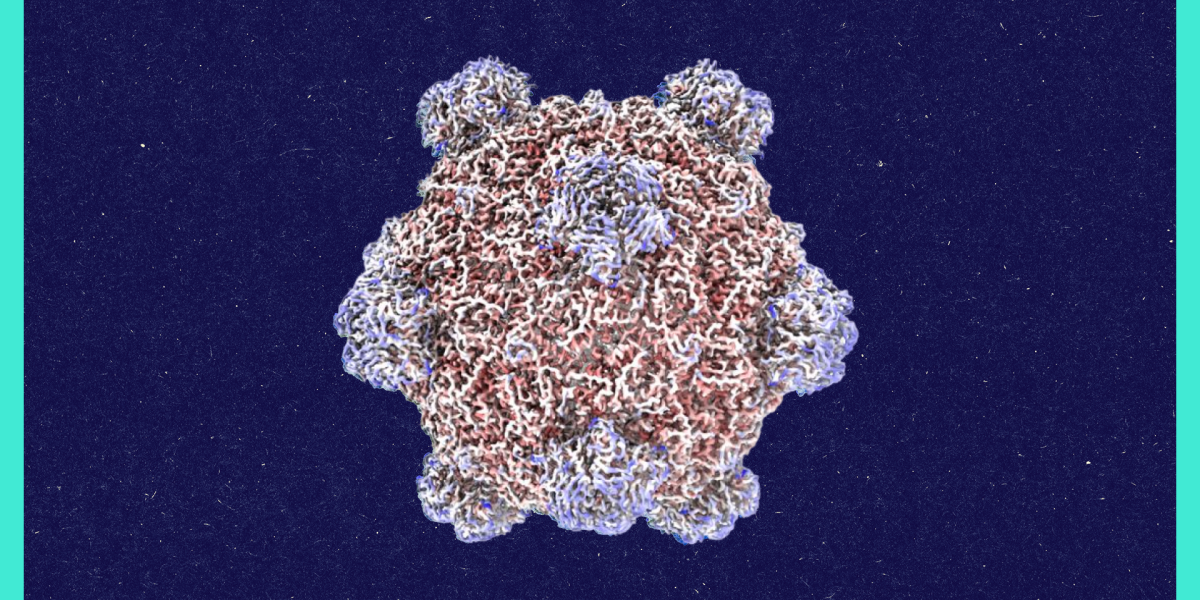
This article discusses a conversation between MIT Technology Review's senior AI reporter and Stanford University PhD student Samuel King, who used a generative AI model to create genetic blueprints for microscopic viruses.
What happened
In 2025, Stanford University PhD student Samuel King used a generative AI model to create genetic blueprints for microscopic viruses. The article features an interview with King discussing his work, his recognition as an Innovator Under 35, and the potential future of AI in biology.
Why it matters
This development is significant for AI developers and bioengineers as it demonstrates the potential of AI in creating biological structures, which could lead to new applications in medicine, biotechnology, and synthetic biology.
- AI can be used to design genetic blueprints for viruses.
- The work of Samuel King highlights the intersection of AI and bioengineering.
- AI's role in creating new life forms is an emerging area of research with potential applications in various fields.
The bigger picture
The use of AI in designing genetic blueprints for viruses could influence future research in bioengineering, leading to advancements in creating new life forms and applications in biotechnology.
The article presents a discussion on the use of AI in designing viruses, showcasing the potential of AI in bioengineering and the future possibilities of AI-generated life forms.
Technical details
- Generative AI models
- Genetic blueprints
- Microscopic viruses
- Bioengineering
FAQ
What did Samuel King accomplish with AI?
Samuel King, a Stanford University PhD student, used a generative AI model to create genetic blueprints for microscopic viruses.
What is the significance of this AI application?
This application demonstrates the potential of AI in bioengineering, showing how AI can be used to design biological structures, which could lead to new advancements in medicine and biotechnology.
What recognition has Samuel King received?
Samuel King was named one of MIT Technology Review's Innovators Under 35 for his work in AI and bioengineering.
This summary and analysis were generated with AI from the original article and may contain errors. Read the original for the full story.
Read the full story
Originally published by MIT Technology Review on Oct 9, 2026.
Comments
Sign in to join the discussion.