
Stanford's Samuel King Used AI to Draft Virus Blueprints in 2025
MIT Technology Review said Samuel King used a generative AI model in 2025 to propose genetic blueprints for microscopic viruses, offering a preliminary answer to whether AI can design new life forms.
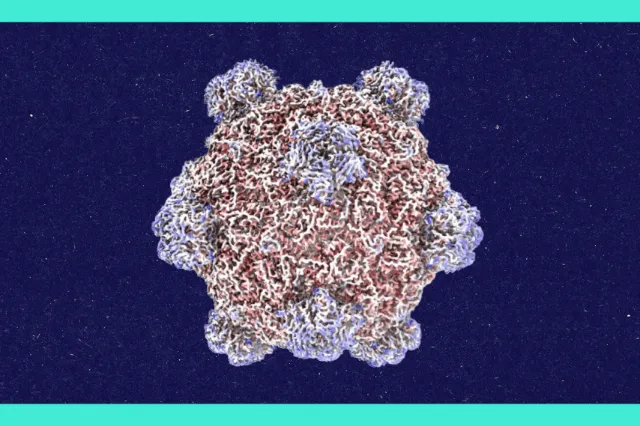
MIT Technology Review reported that Stanford's Samuel King used a generative AI model in 2025 to create genetic blueprints for microscopic viruses, exploring AI's potential in designing new life forms.
What happened
In 2025, Stanford's Samuel King utilized a generative AI model to propose genetic blueprints for microscopic viruses, marking a significant step in AI's role in biological design and bioengineering.
Why it matters
This development highlights the growing intersection of AI and biology, raising important questions about the future of synthetic organisms and the ethical and practical implications of AI in bioengineering.
- AI is advancing into bioengineering, enabling the design of genetic blueprints for viruses.
- The work represents a step toward AI-generated life, though it is not yet achieved.
- Ethical and regulatory considerations are crucial as AI's role in biology expands.
The bigger picture
The research suggests that AI could play a pivotal role in advancing bioengineering, potentially leading to new methods for addressing challenges like antibiotic resistance, while also prompting discussions about the risks and governance of AI in biological applications.
Samuel King's use of AI to draft virus blueprints in 2025 marks a significant development in the intersection of AI and bioengineering, highlighting both the potential and the challenges of AI in designing new life forms.
Technical details
- Generative AI model
- Genetic blueprints for viruses
- Bioengineering
- Synthetic organisms
FAQ
What did Samuel King do in 2025?
Samuel King from Stanford used a generative AI model to draft genetic blueprints for microscopic viruses.
Is AI capable of creating life forms according to the article?
The article states that King's work is not yet AI-generated life, but it represents a step toward that milestone.
What are the implications of AI in bioengineering as discussed in the article?
The article raises questions about the control of AI-generated blueprints for synthetic organisms and the potential risks and benefits, such as addressing antibiotic resistance or creating uncontrollable threats.
This summary and analysis were generated with AI from the original article and may contain errors. Read the original for the full story.
Read the full story
Originally published by Zetik Blog on Oct 9, 2026.
Comments
Sign in to join the discussion.