
Vision-based waste-sorting robot identifies high-value recyclables in real time
Scotland-based Danu Robotics has just received $5 million in seed funding for its novel waste...
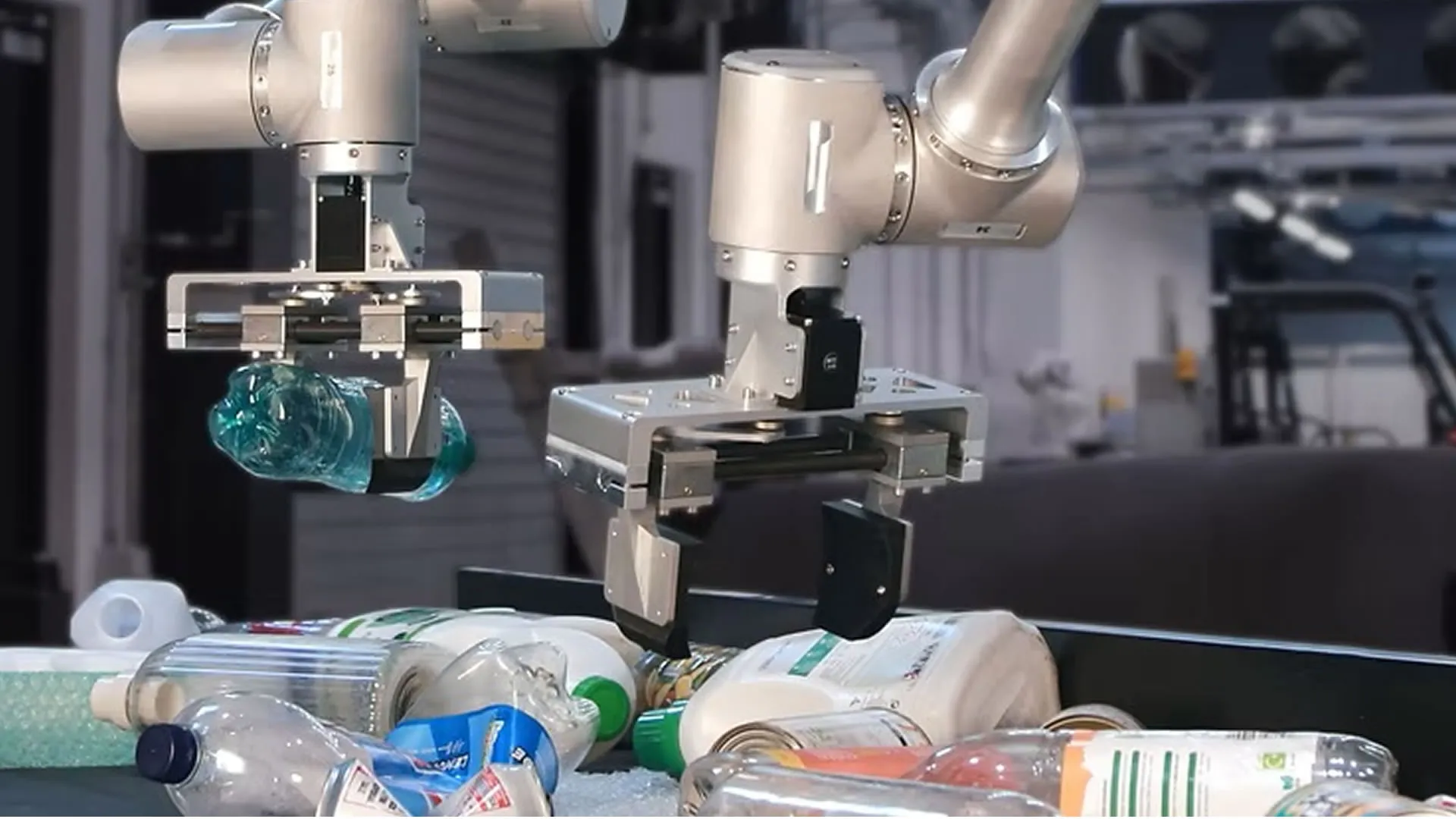
Scotland-based Danu Robotics has developed an AI-powered waste-sorting robot named H.E.R.O., designed to improve recycling efficiency through real-time identification and sorting of recyclable materials.
What happened
Danu Robotics unveiled H.E.R.O., a vision-based robot that uses AI to classify and sort recyclable materials. The system aims to reduce human error and increase profitability for recycling facilities by focusing on high-value recyclables.
Why it matters
Efficient waste sorting is critical for improving recycling rates and reducing environmental impact. H.E.R.O.'s AI-driven approach could lower operational costs and increase revenue for recycling plants, while its potential for deployment in public spaces may revolutionize waste management at the source.
- AI-enabled robotics can address key challenges in waste management
- Investment in AI-driven recycling solutions shows growing market confidence
- Robotic systems offer consistent performance without fatigue-related errors
The bigger picture
The robot could enhance recycling facility profitability by up to $485,000 annually, while its modular design allows potential expansion to non-traditional waste management settings like airports and shopping centers.
Danu Robotics' H.E.R.O. represents a significant step toward automating waste sorting, combining AI vision systems with mechanical precision to create a more efficient and profitable recycling process.
Technical details
- Onboard AI system classifies materials based on 'recycling worth'
- Robotic grippers handle heavier or awkward items compared to suction-based systems
- Cameras provide real-time visual data for AI analysis
FAQ
How does H.E.R.O. determine which materials to sort?
The robot uses AI to analyze visual data from cameras and classify materials based on their 'recycling worth,' prioritizing economically viable recyclables.
What advantages does H.E.R.O. offer over human workers?
The robot operates continuously without fatigue, reduces error rates, and handles heavier items with its gripper system compared to traditional suction methods.
What are the potential applications beyond recycling centers?
The robot could be deployed in shopping centers, airports, and other public spaces for on-site waste sorting, reducing transportation costs and contamination.
This summary and analysis were generated with AI from the original article and may contain errors. Read the original for the full story.
Read the full story
Originally published by Interesting Engineering - Robotics on Oct 10, 2026.
Comments
Sign in to join the discussion.