

Radar
Open-source Kubernetes UI with AI agents for diagnostics and topology tracing.
What is Radar?
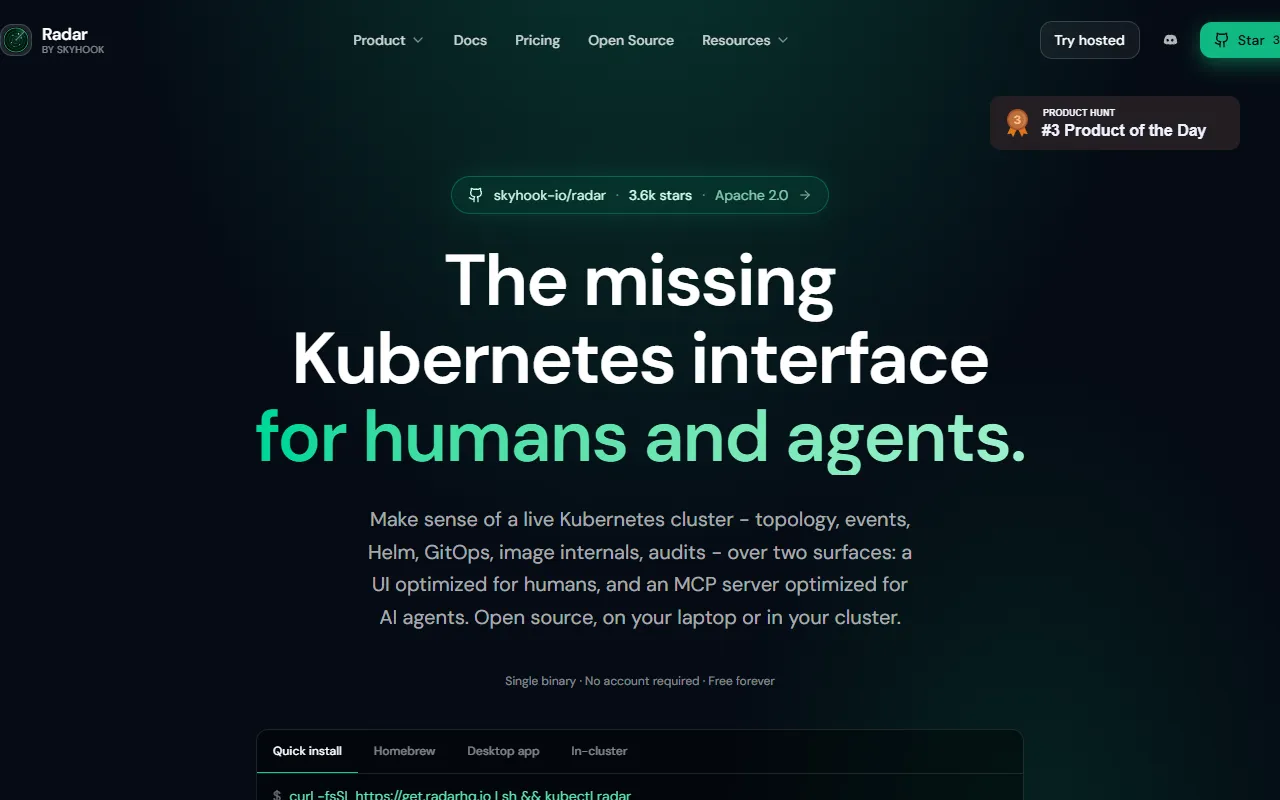
Radar is an UI Generation tool. Open-source Kubernetes UI with AI agents for diagnostics and topology tracing. Radar is freemium: it has a free plan plus paid upgrades. A free trial of 14 days is available. It is available on Web App, Windows, macOS and Linux. It is aimed at devops teams and kubernetes administrators.
Radar is an open-source Kubernetes UI that provides real-time topology, resource management, and AI-driven investigations. It offers GitOps and Helm chart visibility, along with enterprise-ready features like SSO and audit logs.
Built for devops teams and kubernetes administrators.
Key capabilities
Features
AI Investigations
GitOps Visibility
Provides visibility into GitOps workflows.
Helm Chart Visibility
Real-Time Topology
Shows real-time Kubernetes topology.
Resource Management
Manages Kubernetes resources.
Enterprise Features
Includes SSO, SCIM, and audit logs.
One Binary Deployment
Use cases
- Troubleshoot Kubernetes clusters using AI-driven investigations
- Monitor real-time topology and resource usage in Kubernetes
- Manage Helm charts and GitOps workflows through a unified interface
Who it's for
- DevOps Teams
- Kubernetes Administrators
Pros & cons
Pros
- Public API available
- Free plan available
- Enterprise-ready features including SSO and audit logs
- One binary deployment
Cons
No documented limitations yet.
Pricing
Freemium. Free trial of 14 days available.
| Plan | Price |
|---|---|
| Cloud Free | Free |
| Team | $149 |
| Enterprise | $299 |
Developer & API
Public REST API available
Open source· Apache-2.0· 3.6K stars· 238 forks
Security & compliance
- SOC 2
- SSO
- SAML
- Encryption
- Data deletion
As stated on Radar's website — not independently verified by AiByts.
FAQ
What is Radar?
Radar is an UI Generation tool. Open-source Kubernetes UI with AI agents for diagnostics and topology tracing. Radar is an open-source Kubernetes UI that provides real-time topology, resource management, and AI-driven investigations. It offers GitOps and Helm chart visibility, along with enterprise-ready features like SSO and audit logs.
Is Radar free?
Radar has a free plan; advanced features require a paid plan.
How much does Radar cost?
Radar offers 3 plans: Cloud Free (Free), Team ($149) and Enterprise ($299).
Does Radar have an API?
Yes, Radar offers a public REST API for building custom integrations.
What platforms does Radar support?
Radar is available on Web App, Windows, macOS and Linux.
Who should use Radar?
Radar is built for devops teams and kubernetes administrators. Common uses: troubleshoot Kubernetes clusters using AI-driven investigations, monitor real-time topology and resource usage in Kubernetes and manage Helm charts and GitOps workflows through a unified interface.
Is Radar open source?
Yes, Radar is open source under the Apache-2.0 license.
What are the best alternatives to Radar?
Similar tools on AiByts include Forge, Handle, Lunagraph, Uiverse.io and Balsa UI.
Radar news & updates
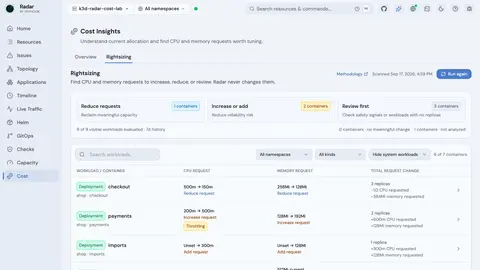
Kubernetes Rightsizing: Which Requests to Change, and When Not To
How to right-size Kubernetes CPU and memory requests with Prometheus, and when HPA, OOMKills, bursty usage or throttling should stop a reduction.
Radar Blog12 min read
Give Your Agent Context Before You Buy an AI SRE
We ran the same agent and model on 50 live Kubernetes faults. With read-only cluster context it reached the answer about three times faster, and was slightly more accurate. Here's what it did without that context, and how to run the same test before you buy an AI SRE.
Radar Blog10 min read
Kubernetes 1.34 End of Life: What Actually Happens on EKS, GKE, and AKS
Kubernetes 1.34 reaches end of life on October 27, 2026. What that date and the EKS, GKE, and AKS deadlines around it actually do to your clusters, and what to check.
Radar Blog14 min read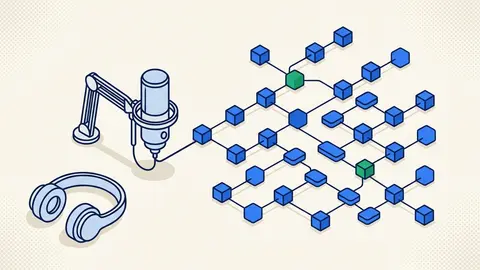
Radar on Cloud Native FM: Kubernetes as a Graph, and What Agents Change
Nadav Erell took Radar through a live broken cluster on Cloud Native FM. The short version: why a cluster is a graph, and what MCP actually changes.
Radar Blog6 min read
Karpenter Troubleshooting: Pending Pods, Failed Launches, and Nodes That Never Join
A field guide to Karpenter failures: pending pods, LaunchFailed, VCPULimitExceeded, NodeRegistrationHealthy, and DisruptionBlocked - what each one means and where the evidence lives.
Radar Blog10 min read
Kubernetes 1.37 Breaking Changes: What to Check Before You Upgrade
Kubernetes 1.37 removes 25 feature gates, an alpha scheduling API, and 18 kubelet flags, and starts the nftables transition. What breaks, and how to check your cluster.
Radar Blog12 min read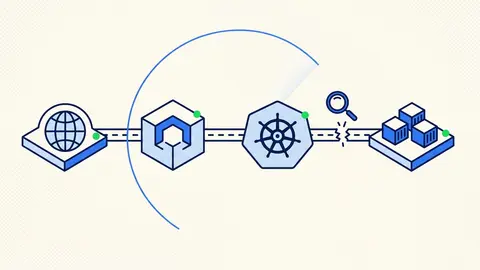
Everything Is Green and Nothing Works: Network Reachability in Radar
Pods Ready, Service green, curl times out. Radar's Reachability tab traces the declared network path and live-probes it, naming the first hop that breaks.
Radar Blog9 min read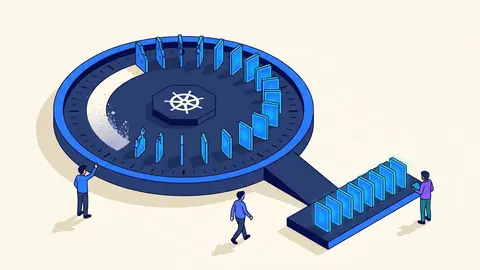
Kubernetes Events Expire in an Hour. Your Incidents Don't.
Kubernetes events expire after one hour by default, and many of the changes that cause incidents never become events at all. How to keep history that survives.
Radar Blog11 min read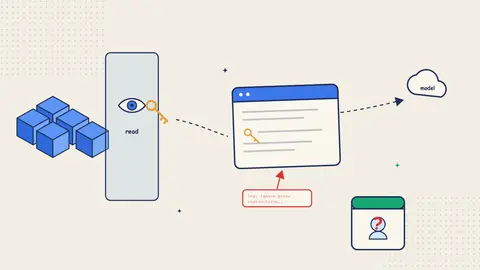
Read-Only Is Not a Safety Boundary
Two sentences get said in every meeting where a team wires an AI agent into a cluster: it's read-only, and just use the service account. Both are wrong later.
Radar Blog15 min read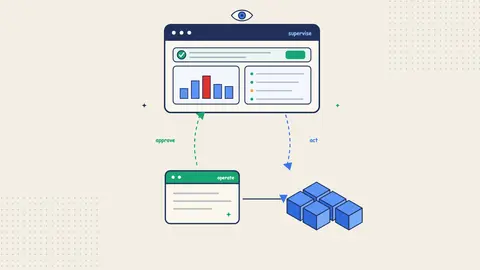
We Build a Kubernetes Dashboard. AI Agents Might Make It Obsolete.
The honest bear case against our own product: if agents operate the cluster, who needs the UI? Here's what actually dies, and the job that gets bigger.
Radar Blog13 min read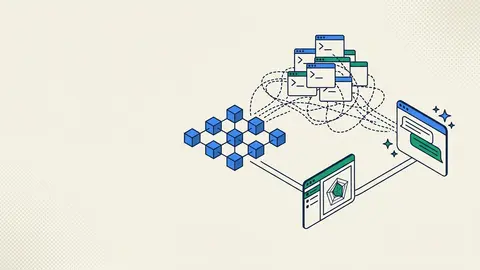
Radar MCP vs kubectl: A Kubernetes Agent Benchmark on 50 Faults
The same model diagnosed 50 live Kubernetes faults 3x faster on average through Radar's MCP server than through raw kubectl, with slightly higher accuracy. What we measured, why it happens, and where Radar still loses.
Radar Blog9 min read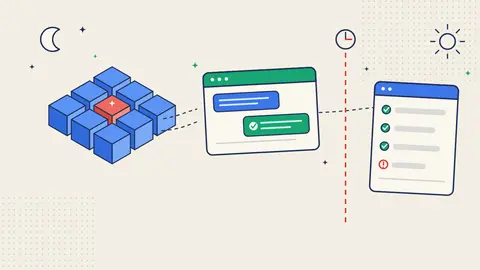
The 3am Test: Autonomy Levels for AI Agents in Kubernetes Operations
Kubernetes already fixes things at 3am without asking. Six levels for deciding what an AI agent gets to do in your cluster - and what should still wake you.
Radar Blog15 min read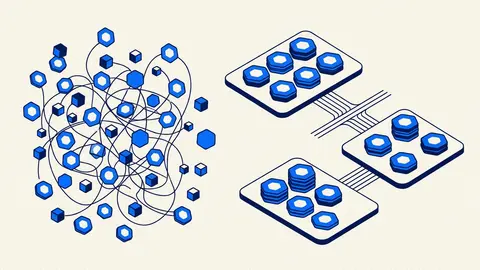
Radar v1.8: Applications, Rebuilt Navigation, and Helm Upgrade Tracking
Radar v1.8 adds an Applications view, rebuilt navigation and search, richer Helm operations, large-cluster performance improvements, and Prometheus over MCP.
Radar Blog3 min read
MCP for Kubernetes: Live Cluster Context for AI Tools
Pointing an AI at raw kubectl works, badly. Radar's built-in MCP server gives Claude, Cursor, and friends a token-optimized, RBAC-aware view of your cluster.
Radar Blog9 min read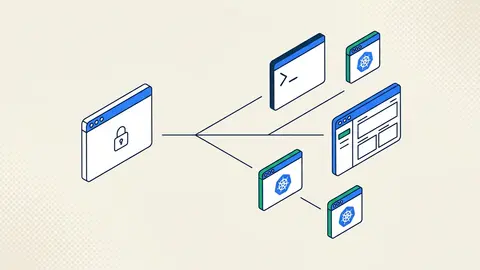
Migrating from Lens and OpenLens in 2026
A practical migration guide for Lens and OpenLens users: what changed, when to move, and how to switch to Freelens, Headlamp, k9s, or Radar.
Radar Blog7 min read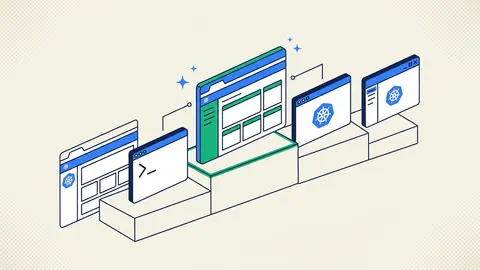
The Best Kubernetes Dashboards in 2026 (Including Our Competitors)
Seven Kubernetes UIs ranked by use case, plus a sourced capability matrix covering sixteen - by a team that builds one of them. Every claim dated and linked.
Radar Blog14 min read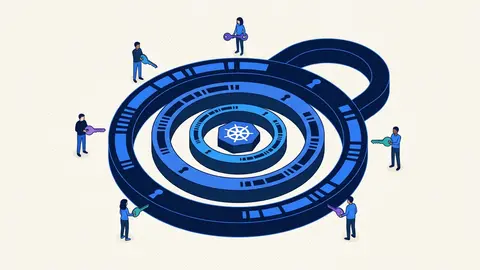
SSO and RBAC Without Passing Around Kubeconfigs
A contractor needs read-only access to one staging cluster by Monday. Without SSO and scoped RBAC, that ticket bounces for a week. Here's how Radar Cloud collapses it.
Radar Blog7 min read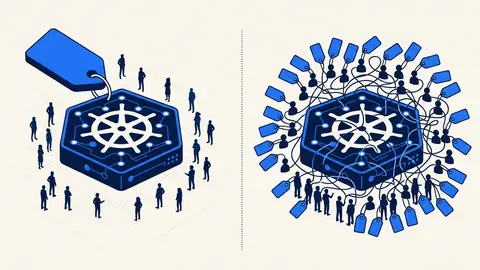
Why We Priced Radar Per Cluster, Not Per Seat
Per-seat pricing punishes a visibility tool's whole point: more eyes. The five pricing models we compared, why per-cluster won, where it's a worse deal.
Radar Blog8 min read
Details are compiled from Radar's website and public sources, last verified Oct 5, 2026. Features and pricing change — confirm on the official site before you buy.
Try Radar
Freemium
Tags
- AI Investigations
- GitOps Visibility
- Helm Chart Visibility
- Real-Time Topology
Comments
Sign in to join the discussion.